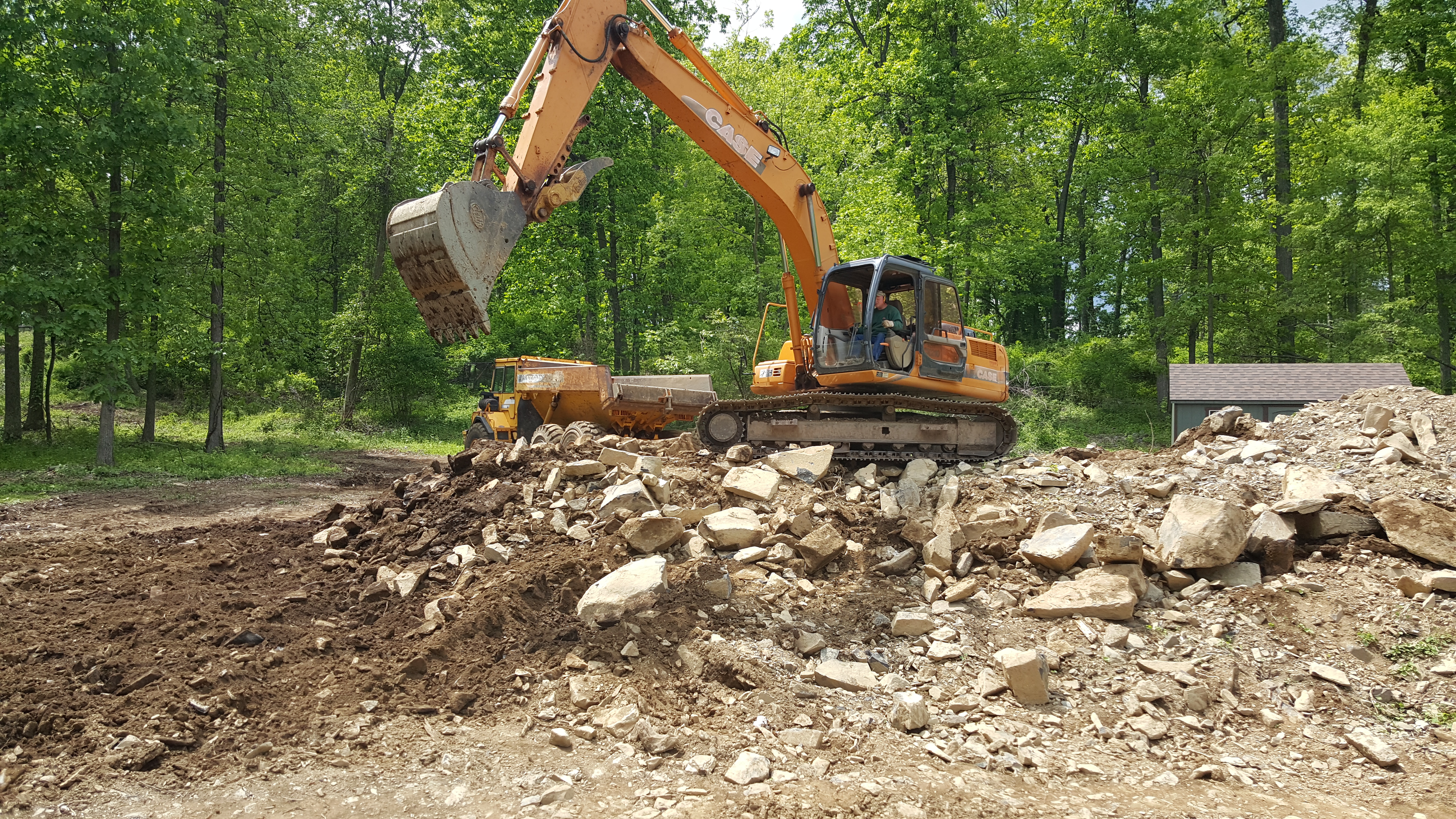
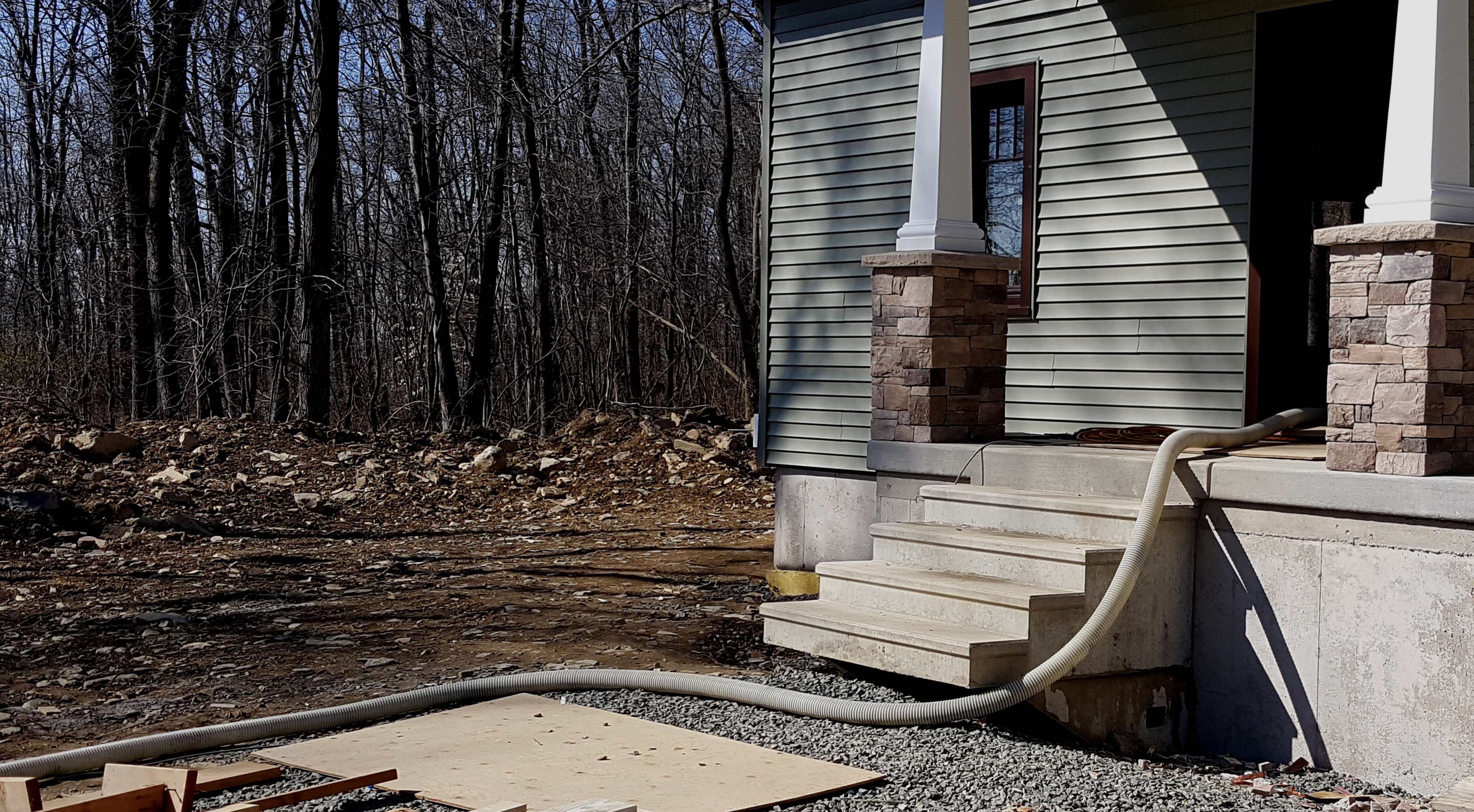
Now the dumpster is gone for good, and the rock piles are gone.
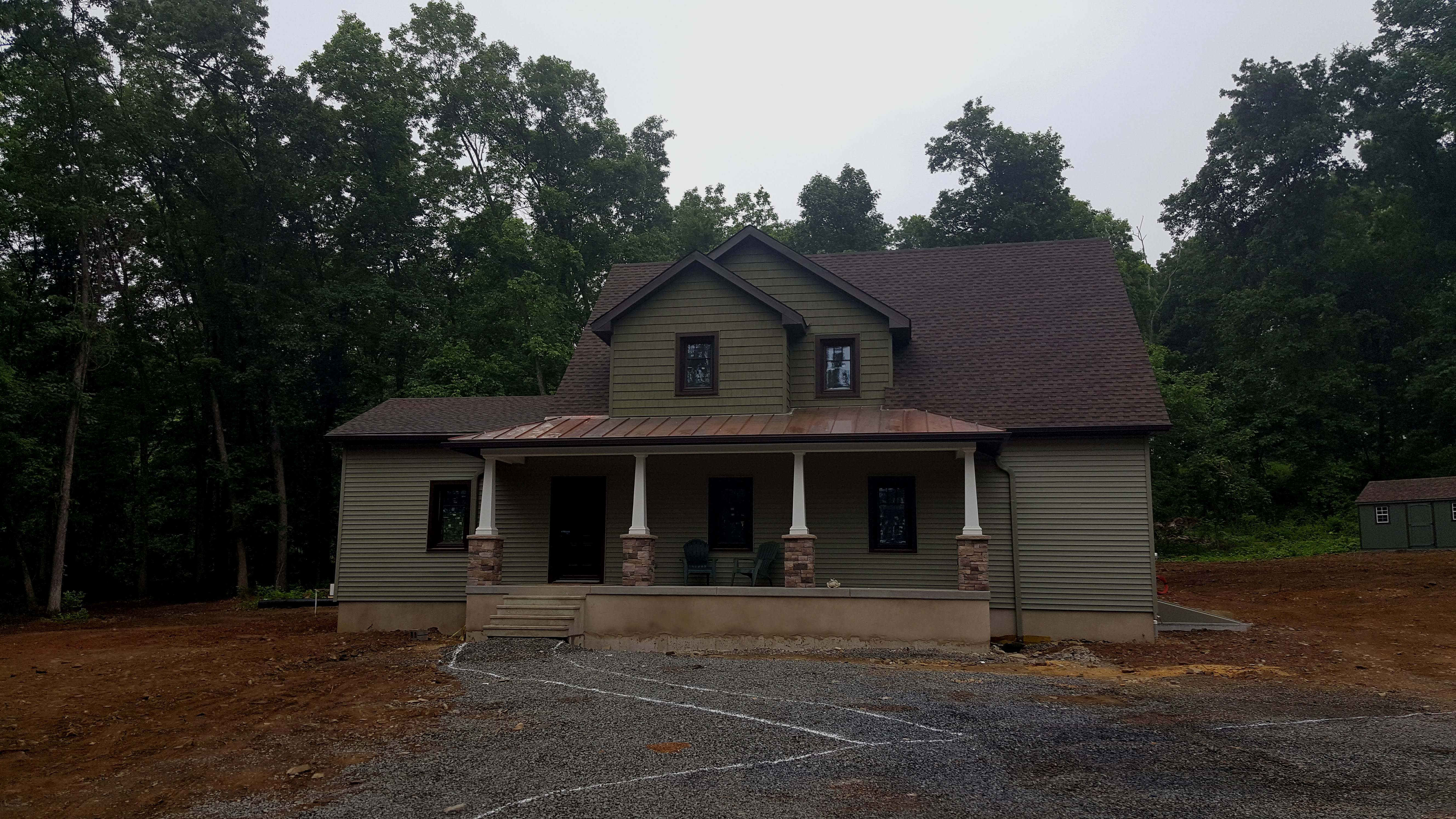
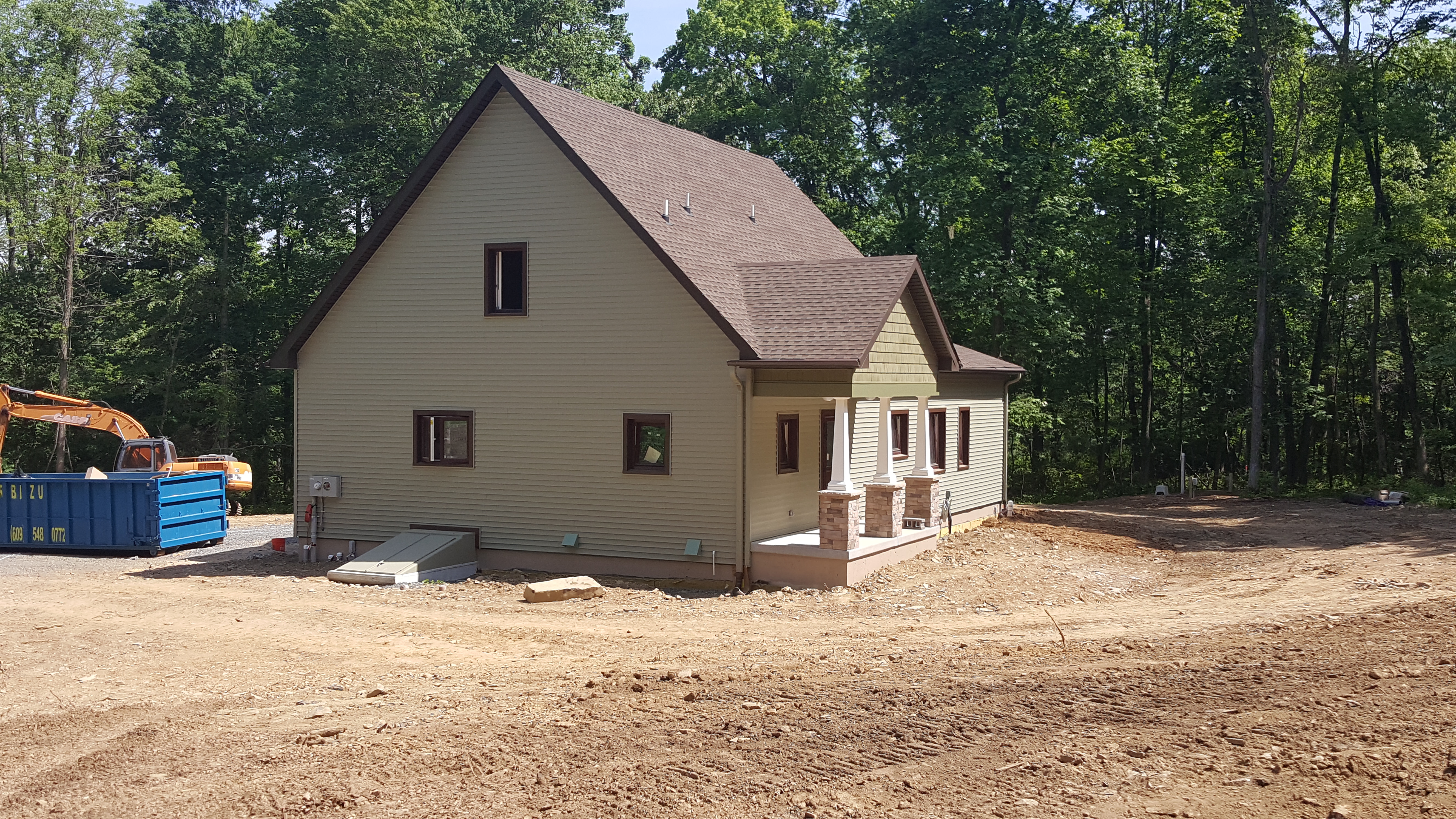
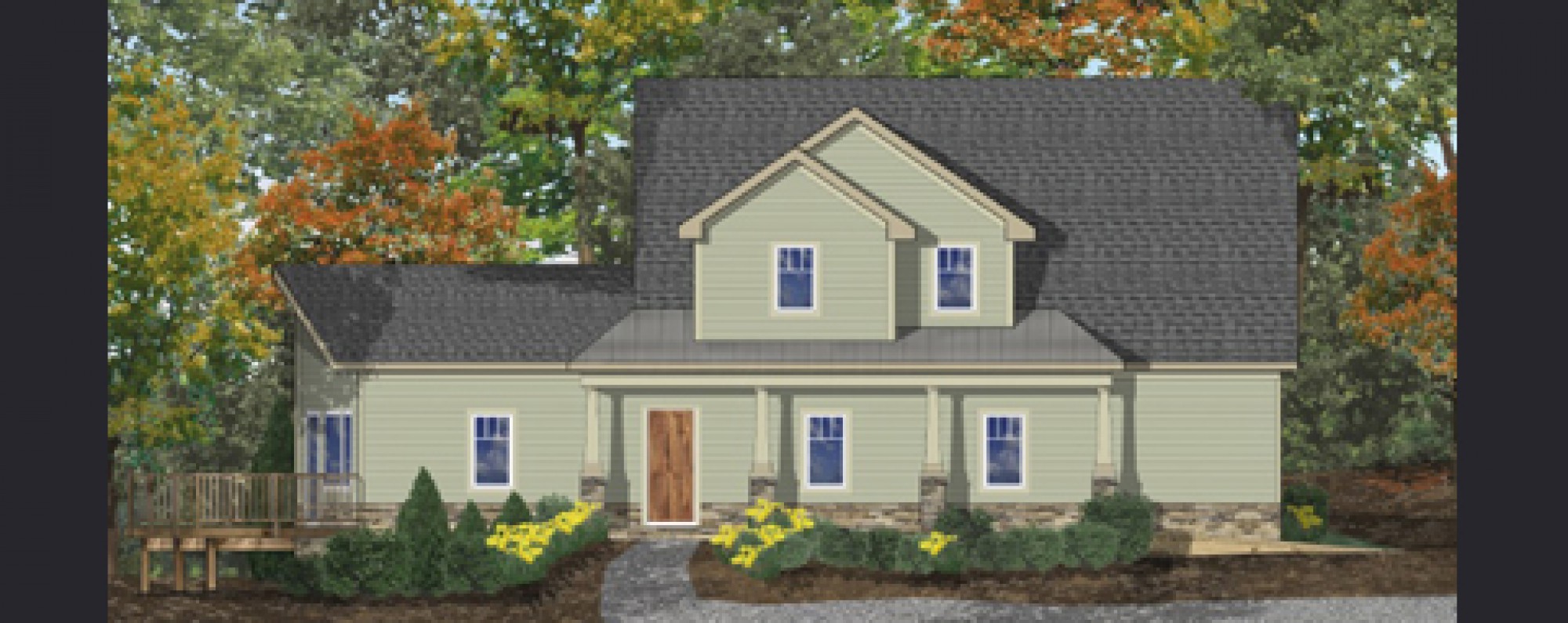
Now the dumpster is gone for good, and the rock piles are gone.
I’ve been neglectful to this blog. Just been to busy with the house and to tired when In get home to update the blog.
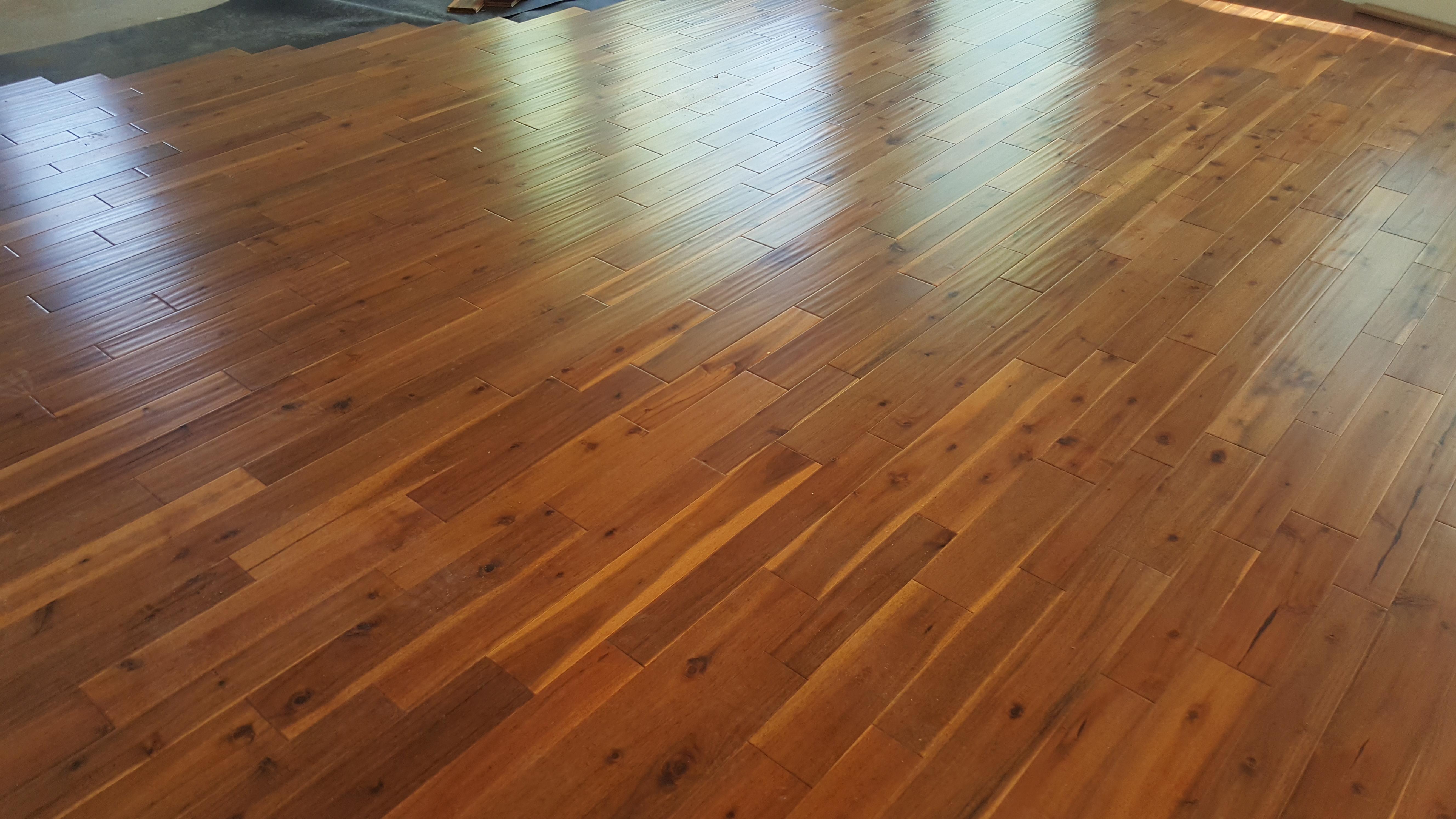
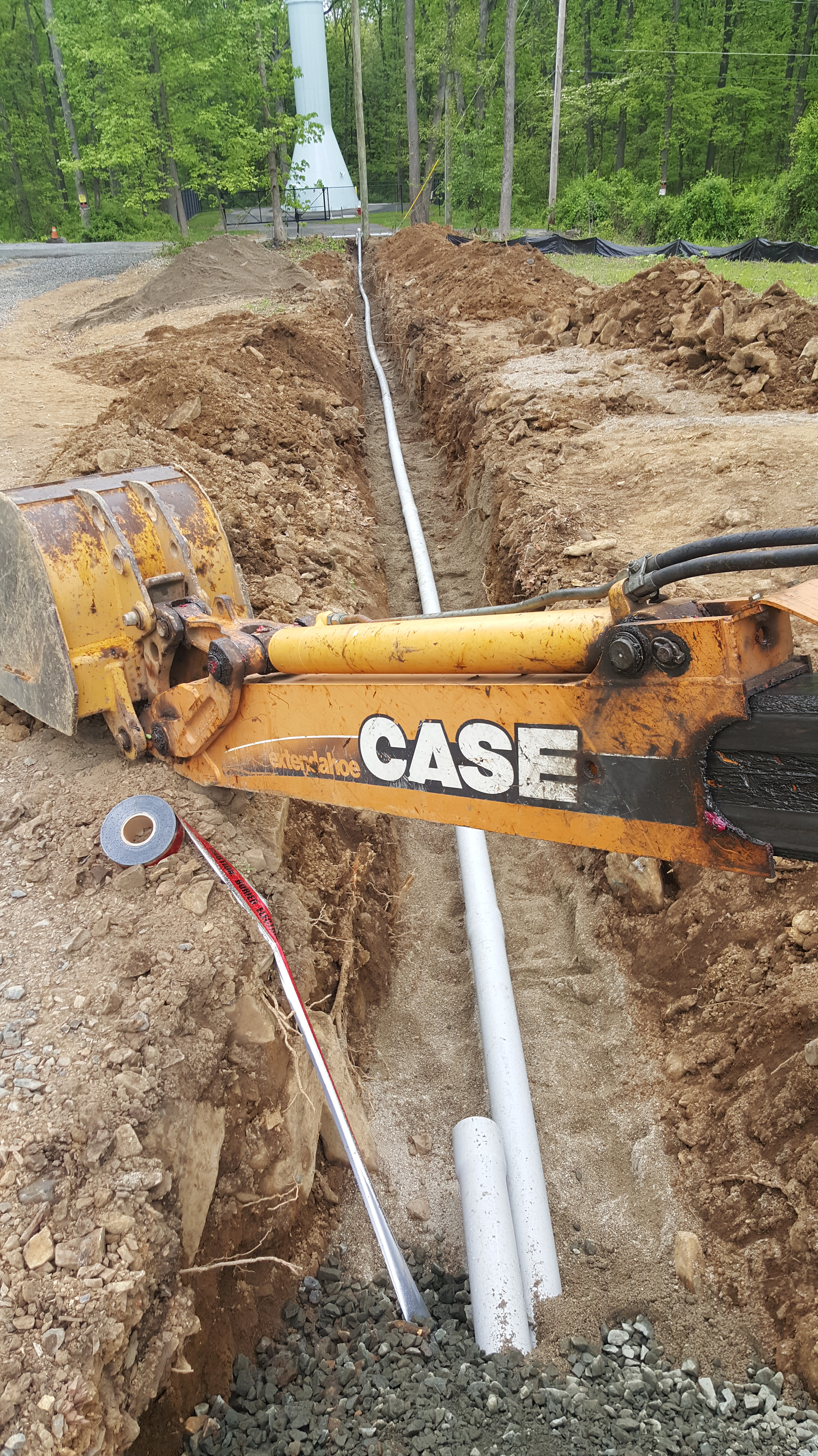
Well we are on the homes stretch, the drywall is done, and painted, hard wood floor in, master shower walls installed, doors and trim. Starting to work on closet shelves and final details. The water service trench and pipe is in to the street (hooking up maybe an issue), electric in and house “lighted up” (as the electric company installer said) the septic system is in and inspected. The appliances have been delivered.
Just waiting for the kitchen cabinets, then the counter tops can be templated. The plumber says about one day of work left and HVAC has a day.
The rock piles are moved, 9 truck loads of topsoil was delivered Friday. I’m guessing about two week to get the U&O inspection.
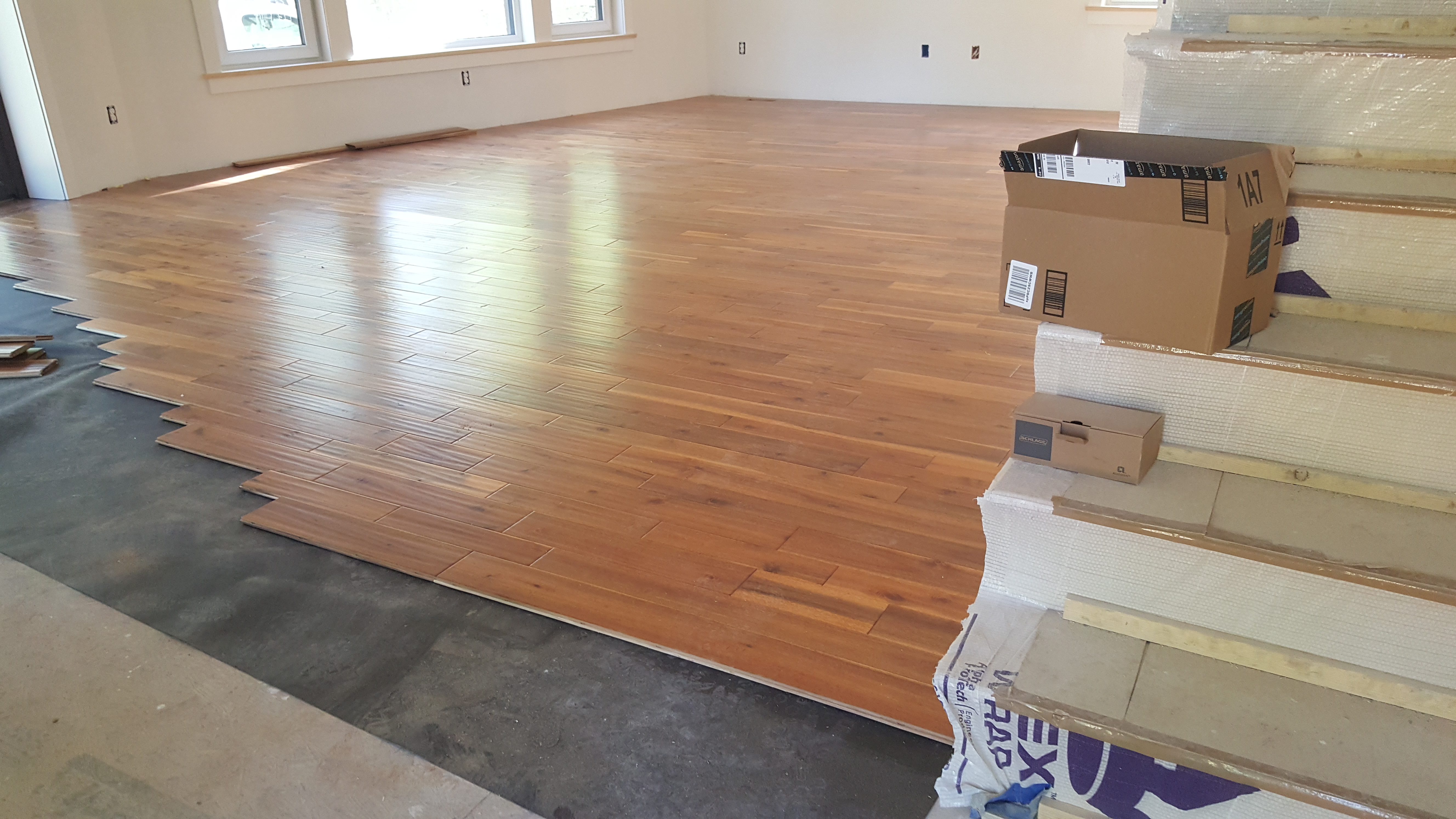


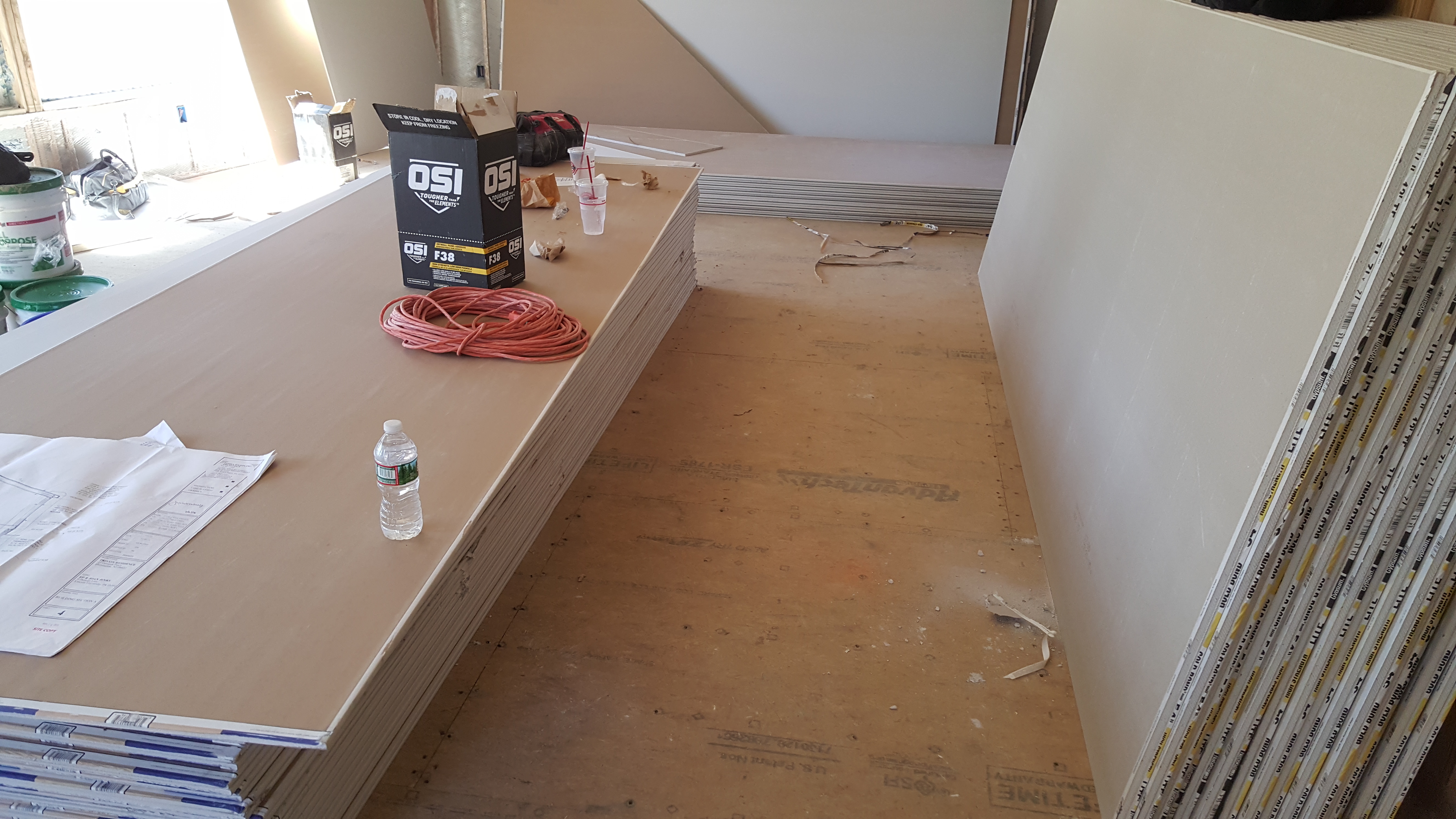
Been busy the past couple of weeks. The drywall was installed, taped, and spackled in about a week. We then let the tile guys do the tile, then the painters got their time. Priming the total interior and doing the finish paint on the ceilings. Now Rob’s guys are working on the trim.
Next week the trim should be complete and the hardwood floor will be delivered to allow it to climateize with the house. The hardwood installation will be started on May 16.
On the home stretch now.
The local electric company continues to be non-responsive and keep delaying things. We are beginning to believe the house will be done and no electric. Rob and I got so frustrated yesterday with a evasive answer to when they were going to set the new pole (scheduled for 5/9 for the past month) I sent notes to there complaint line; the US congressmen; the County Director of Freeholders; and my NJ State Senator & Representatives. The Director of Freeholders and the Senator have already responded.
Clearing the woods on the top of the ridge for the solar arrays. But Congress did do one thing last year: they extended the Solar PV tax credit to 12/31/2019. That gives us some breathing room to get the system installed. Checking with a friend living in a Passive House his energy usage for a full year was 6,500 KWH. I expect ours usage to be close to his and that number is lower than our modeling. In NJ there is no advantage in installing a system the produces more than we use.
Some photos of the past weeks activity:
Drywalling:

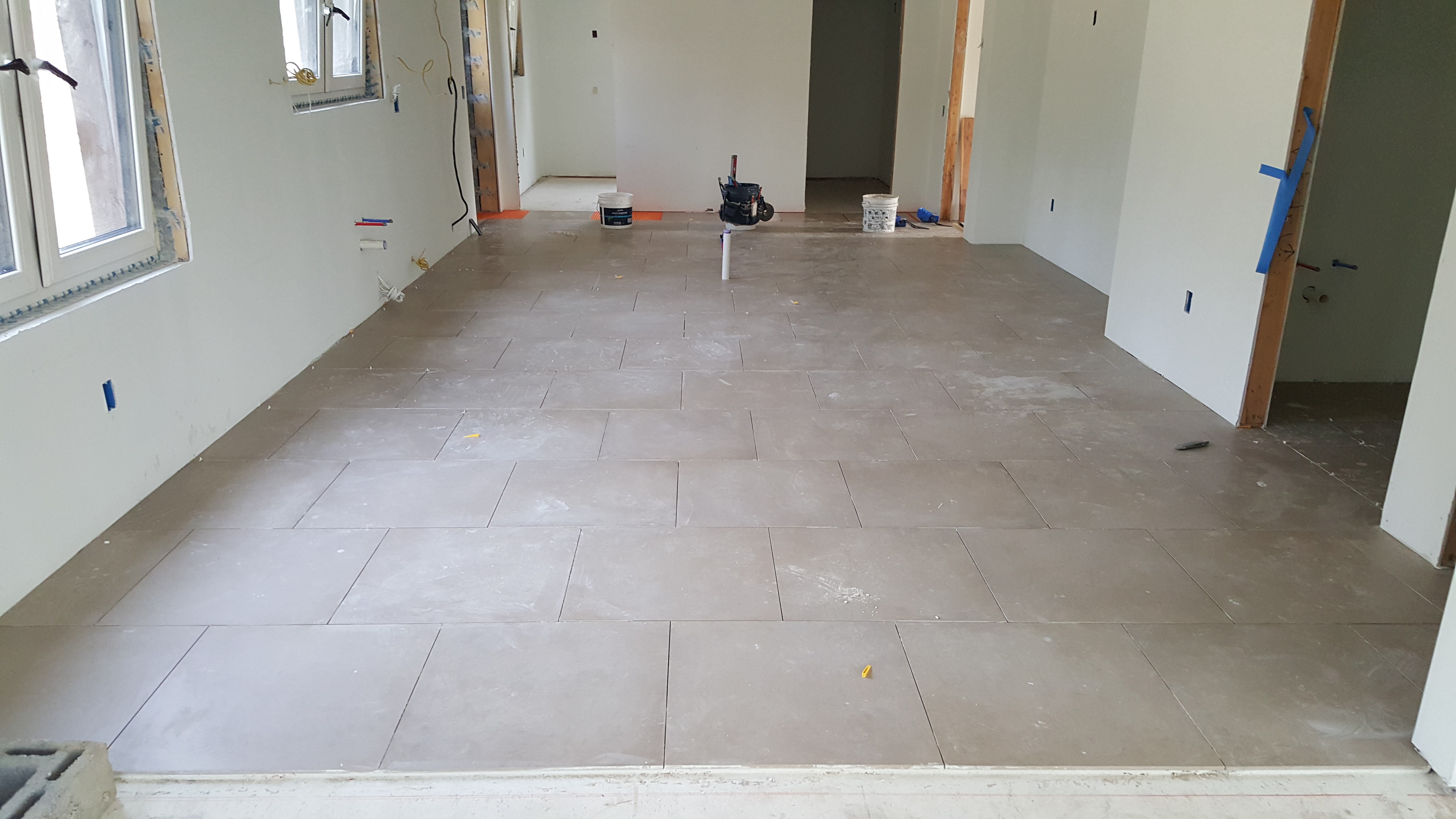
Tiling:


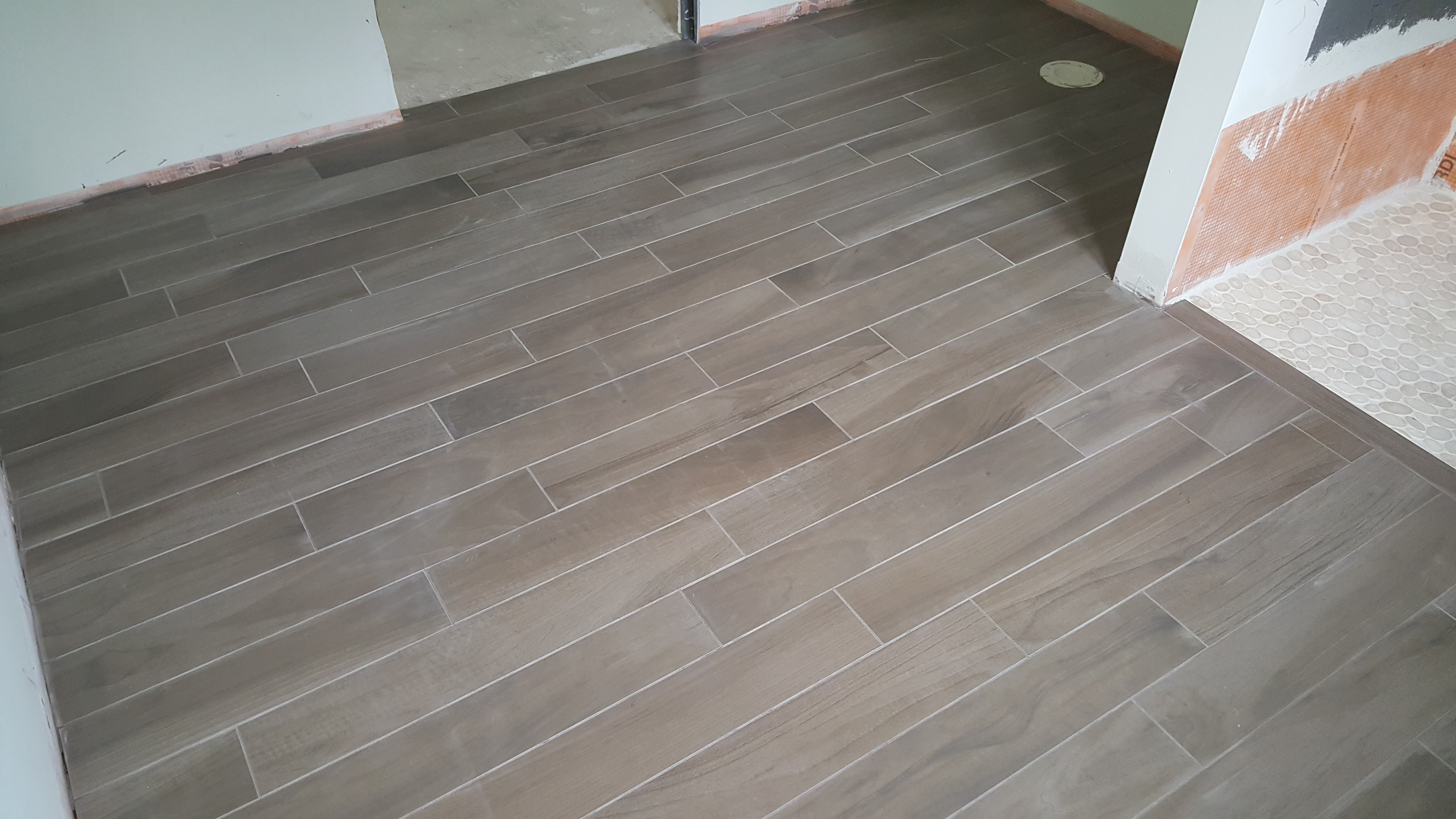
Bathroom Tile:

Doors Installed: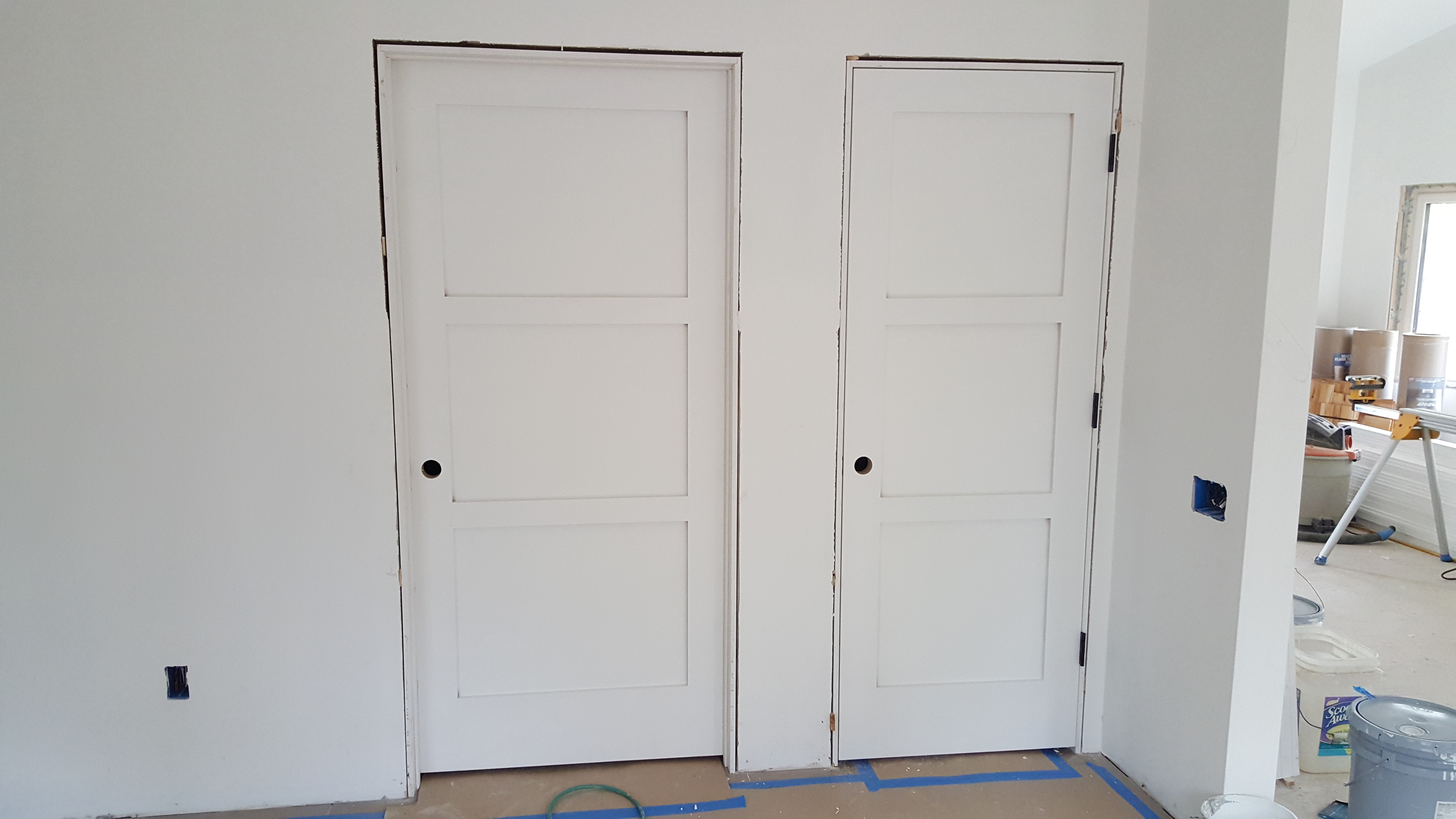
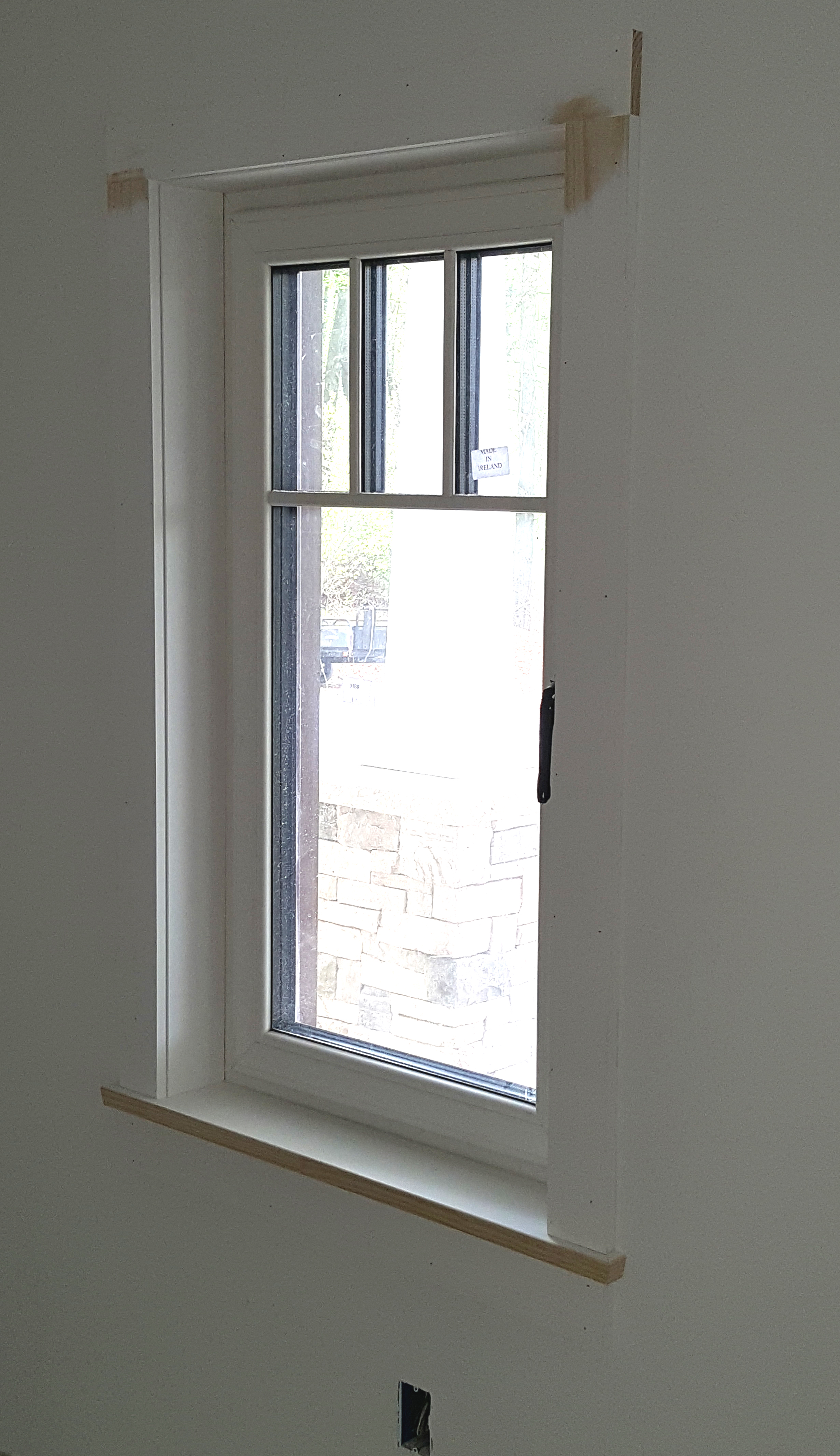
Window Trim< in the works:

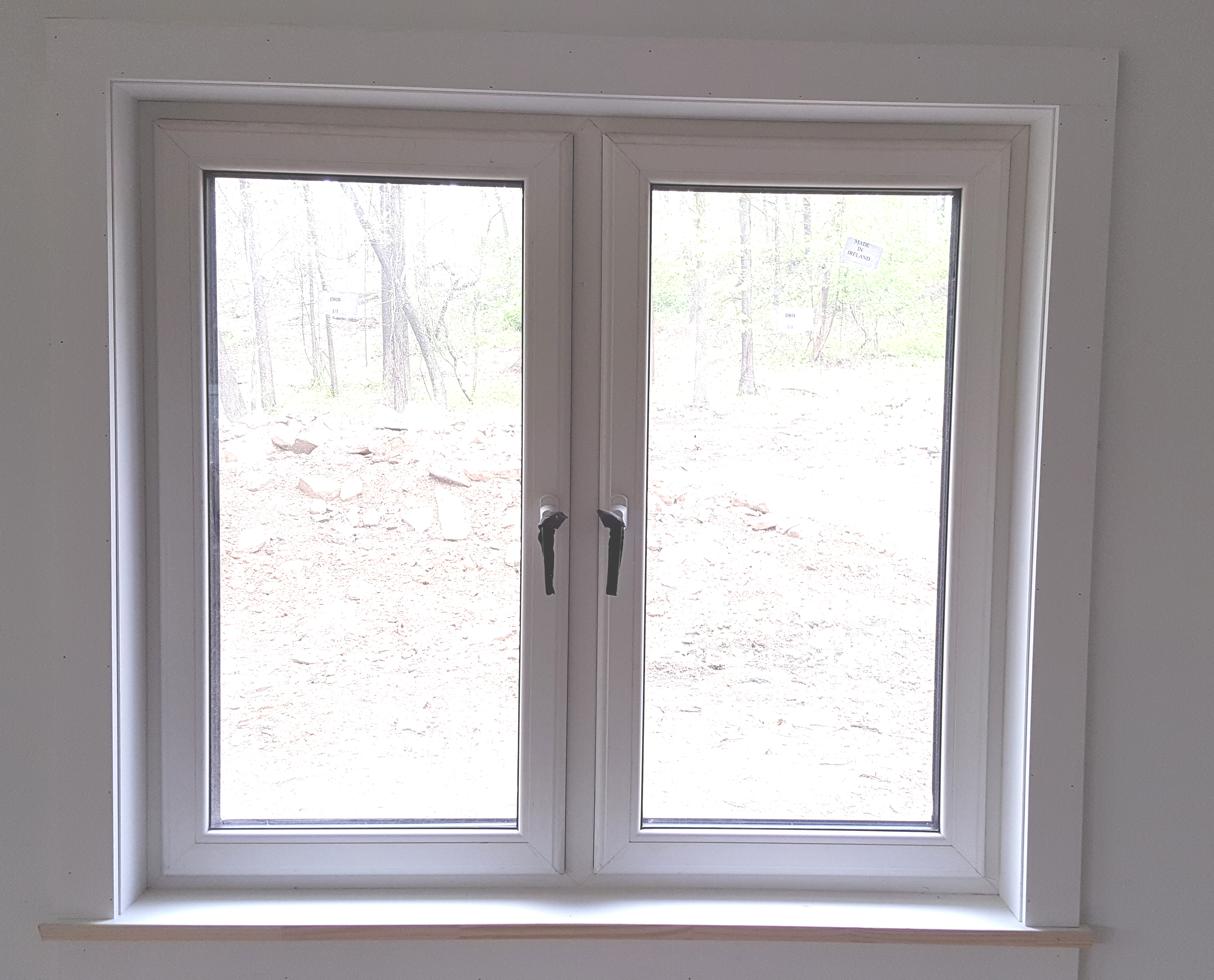

Friday after the insulation was complete Ken did a blower door test. It’s taken me 2 years of research to get to under stand what XX ACH50 means, and what tight mean for a house. For those who are just learning I’ll try to explain.
You start by closing the house up tight, windows & door closed, plumbing vents, sump vents and so on are taped shut. A box with a fan is mounted in the front door. See photos.
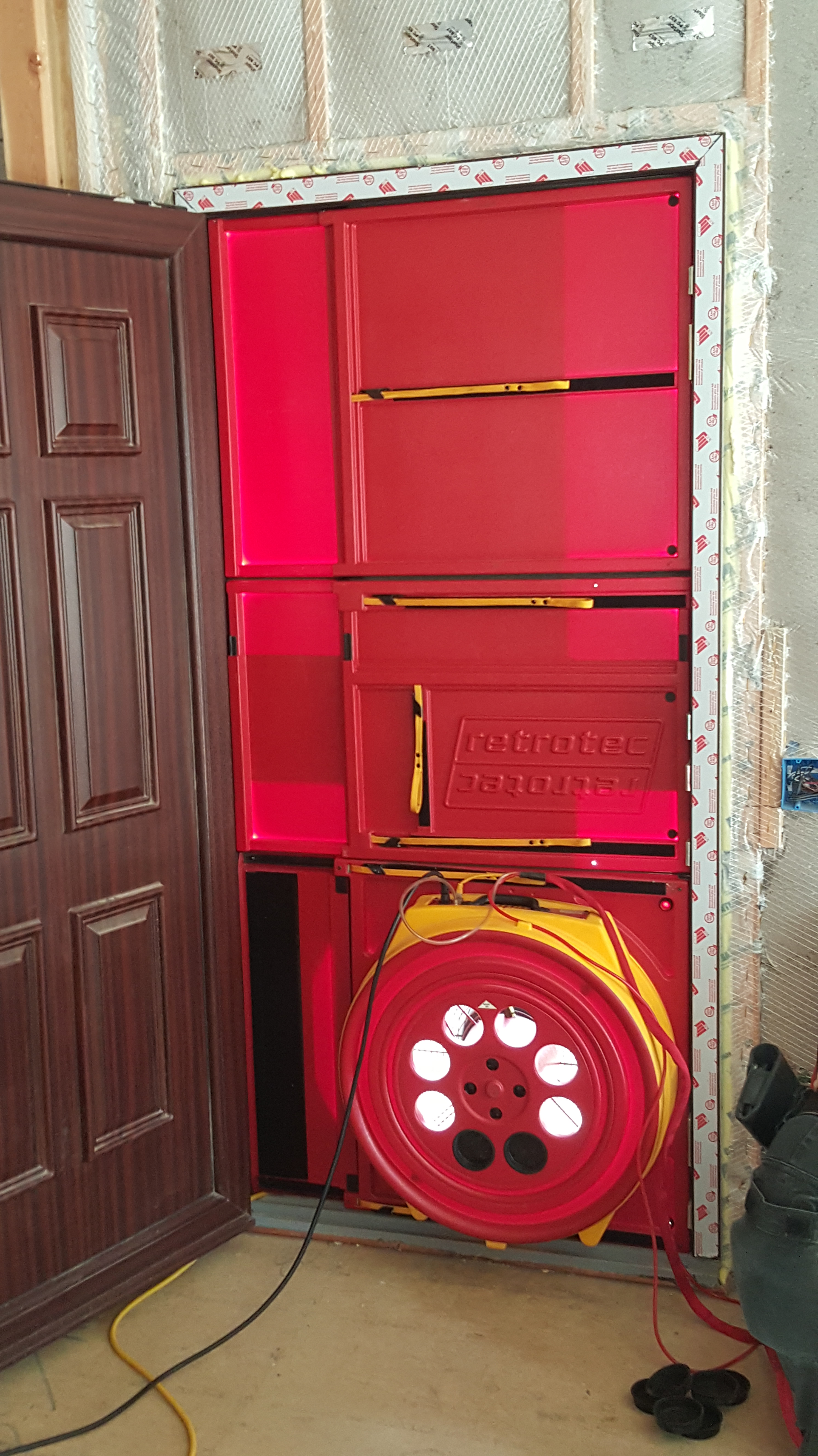
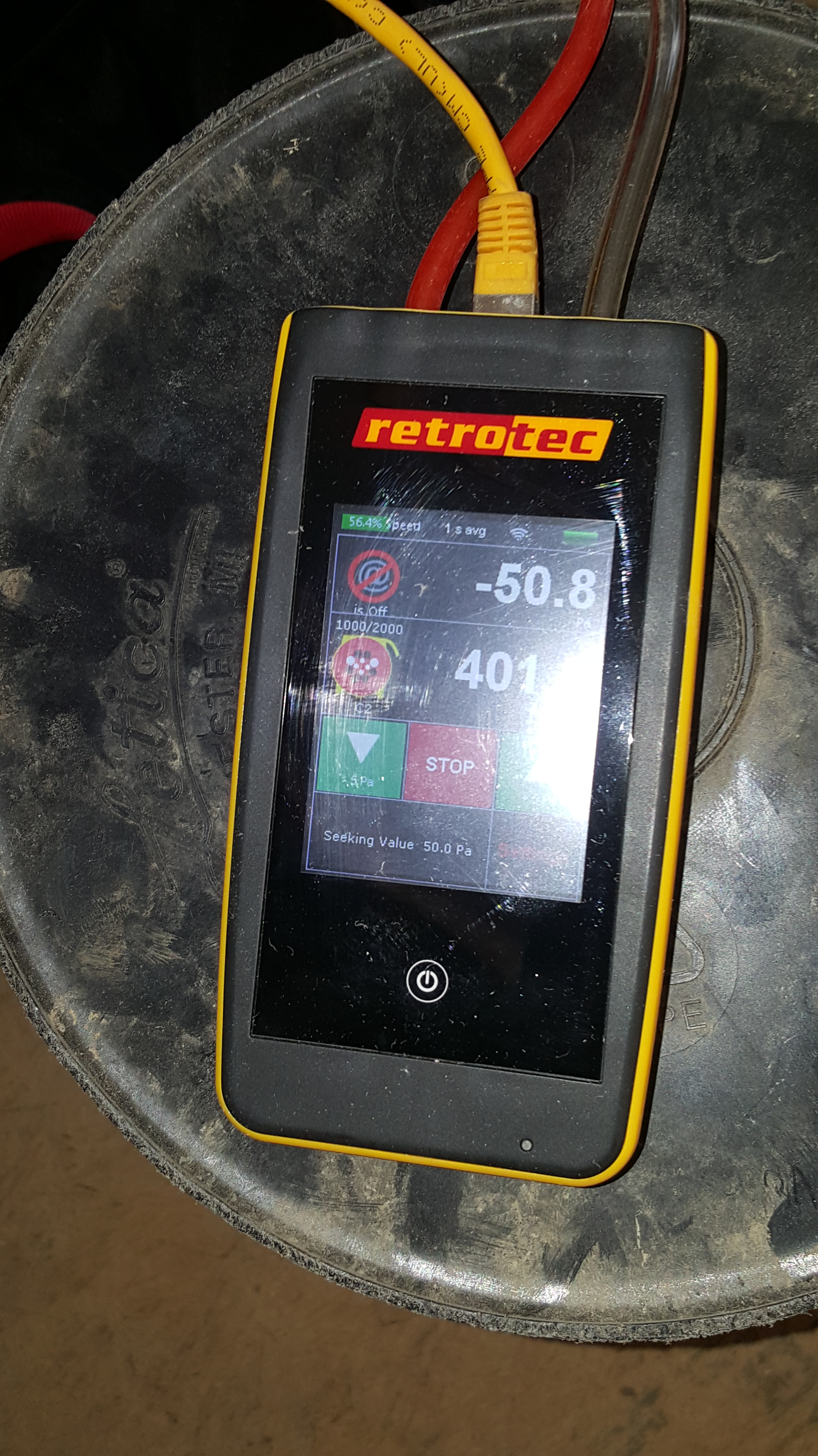
The fan is run to depressurize the house to 50 Pascal’s. The fan is controlled by a device that measures the difference in pressure of the outside to the inside of the house. It was having trouble holding on the 50 Pascal’s, note the black disks in the holes around the fan. Ken had to add a couple more to get the fan to settle down. My guess that is because the house is so tight.
There are many articles online about house tightness and blower door testing. As a reference for you, the 2015 Code will require all house to achieve a “3 ACH50” . That’s 3 full house Air Changes per Hour at 50 Pascal’s of depressurization. NJ has adapted the 2015 code effective March 2016, but not the 3 ACH50 requirement. Pulte the 4 largest builder in the US has announced they will build a High performance model in CA this spring with a 3.5 ACH50 target. It is the future, but the future isn’t here in a big scale yet.
Our reading Friday was an 0.5 ACH50. I think that is about as tight as a house can get. That means the fan can only suck half the full volume of the air of the house in an hour. Here is the gage. It shows at -50.1 Pascals the fan is sucking out 401 CFM, the full house volume is 46,251 CF. All I can say is success. That’s 600% better than code. ( and one builder told me I’m reading to much) 🙂
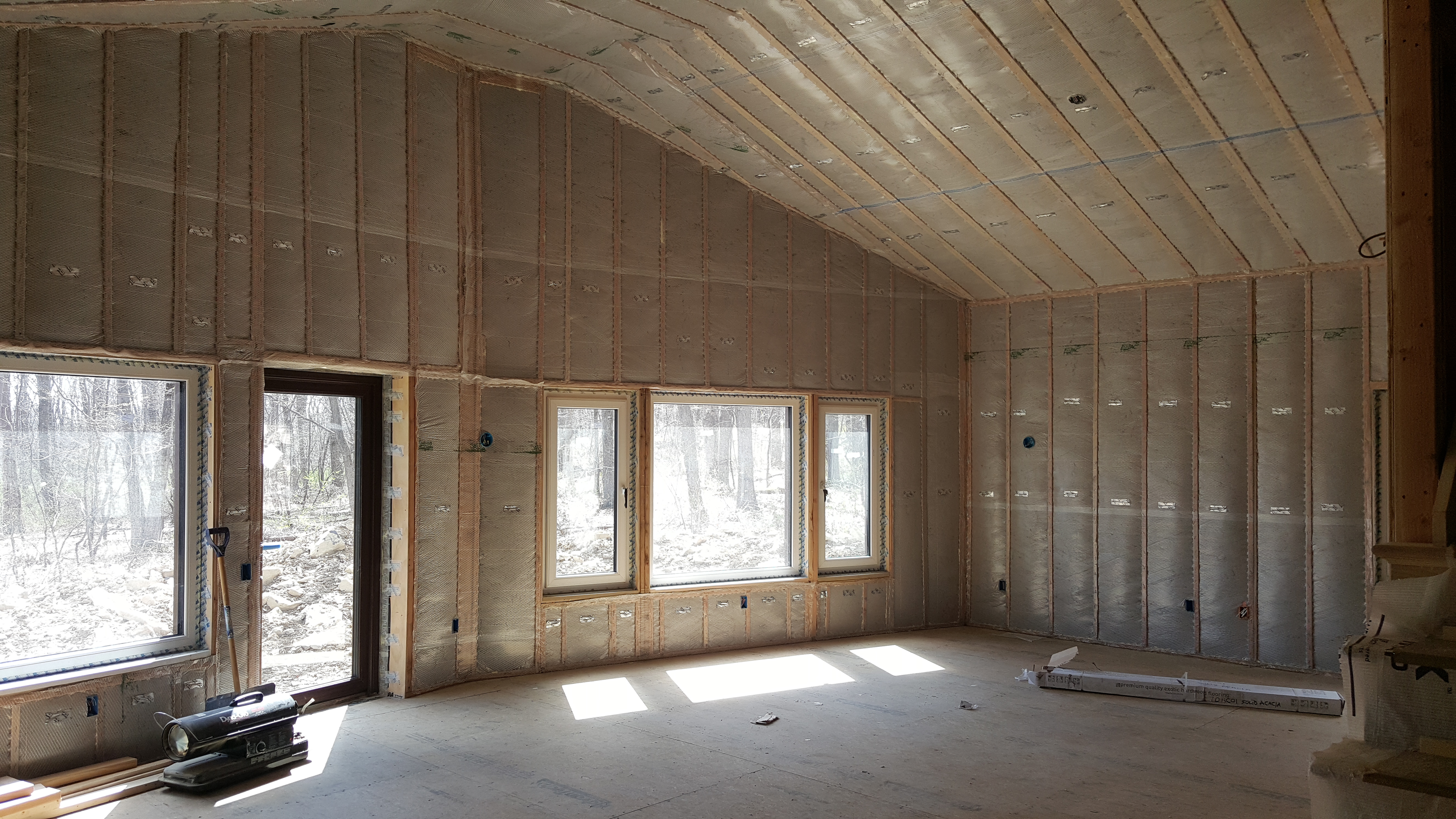
On Friday the insulation installation was complete. WOW that’s a hole lot of insulation. Well insulation is key to the performance of a high performance house. It both help seal and does the insulation. Ken packed in extra tight the cellulous into the corners and areas we suspected leaks. Packing the cellulous tight lowers the R-Value a little but resists leaks . Here are some phots of the house with the insulation done. Remember the cavity between the back of the sheathing and the drywall is 10″ . The house really holds it temperature.
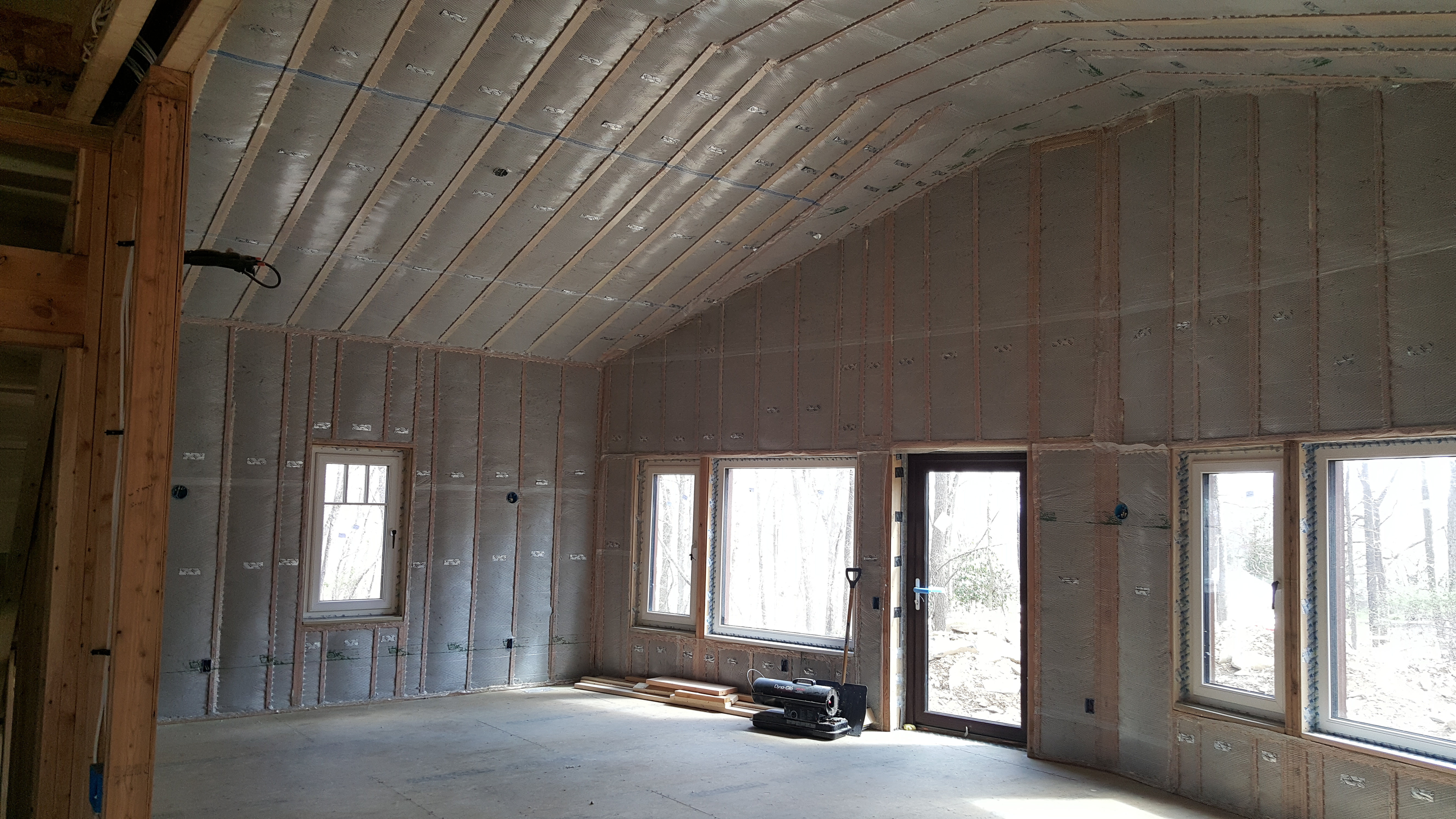
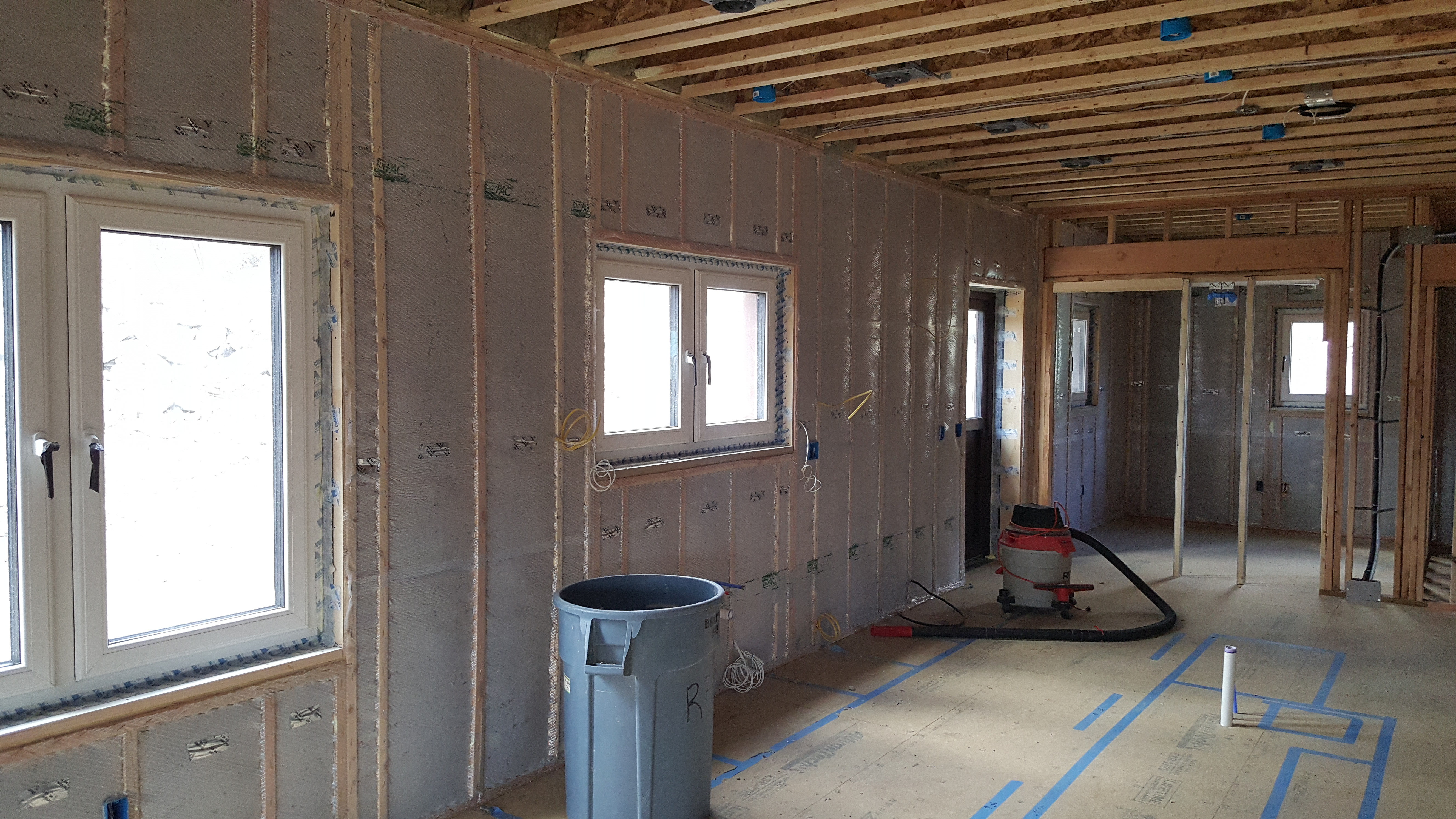


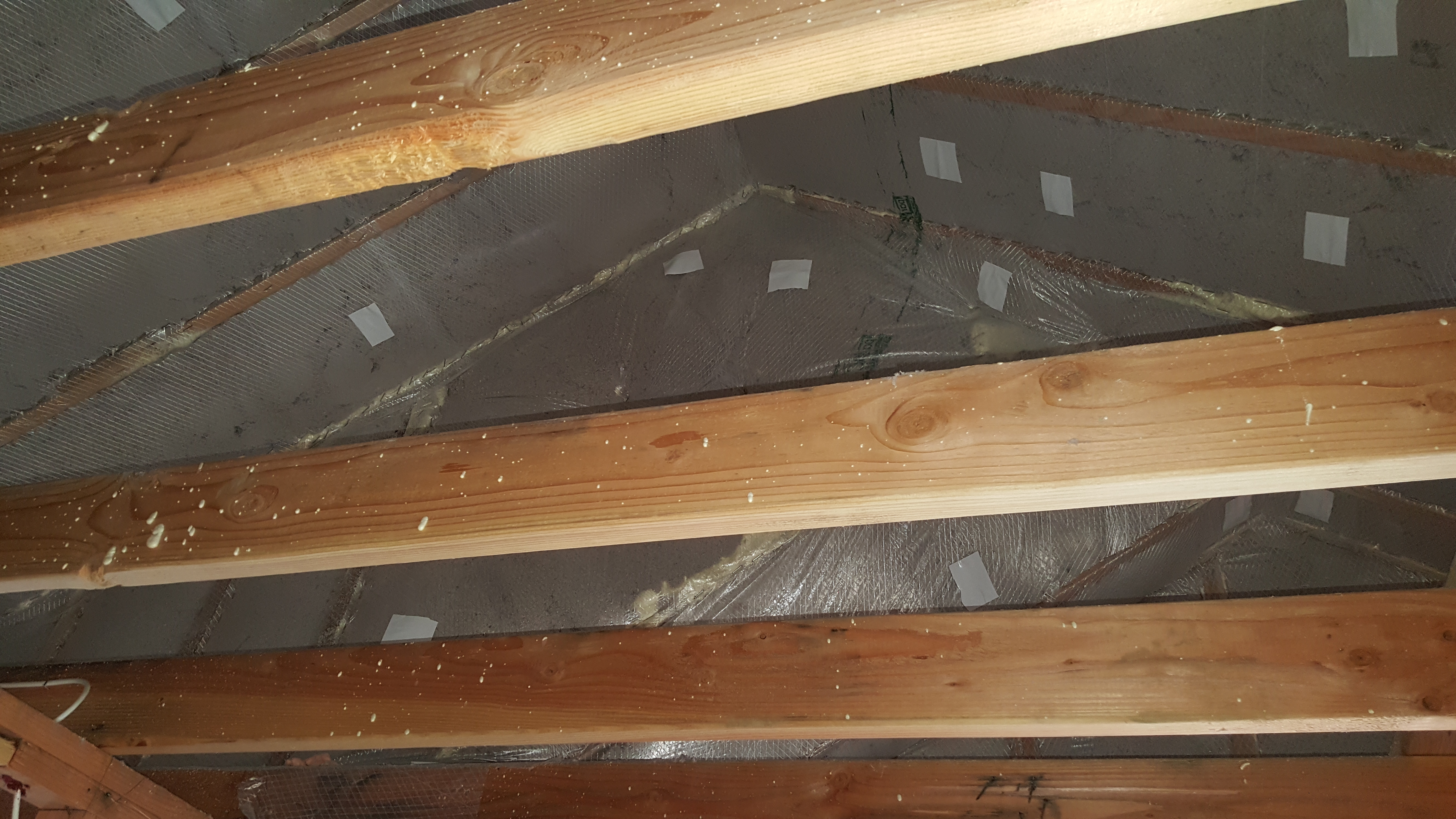

A quite week. The insulators had other work scheduled but got in a couple hours to clean up Monday, they are coming back Friday to finish the insulation installing. And do a prelim blower door test
Got through the Framing Township inspection. Had a major error, a beam was 3′ out of place. That’s all fixed and when the insulation inspection is complete it’s drywall time.
I’ve been cleaning window seals in prep for the NJ Zero Energy Ready Homes program official blower door test. We noticed a number of the exterior window seals were knocked out of their track. And I noticed there was lots of building debris on the seals.
Last week the roofers did the cooper roof. See photos below:
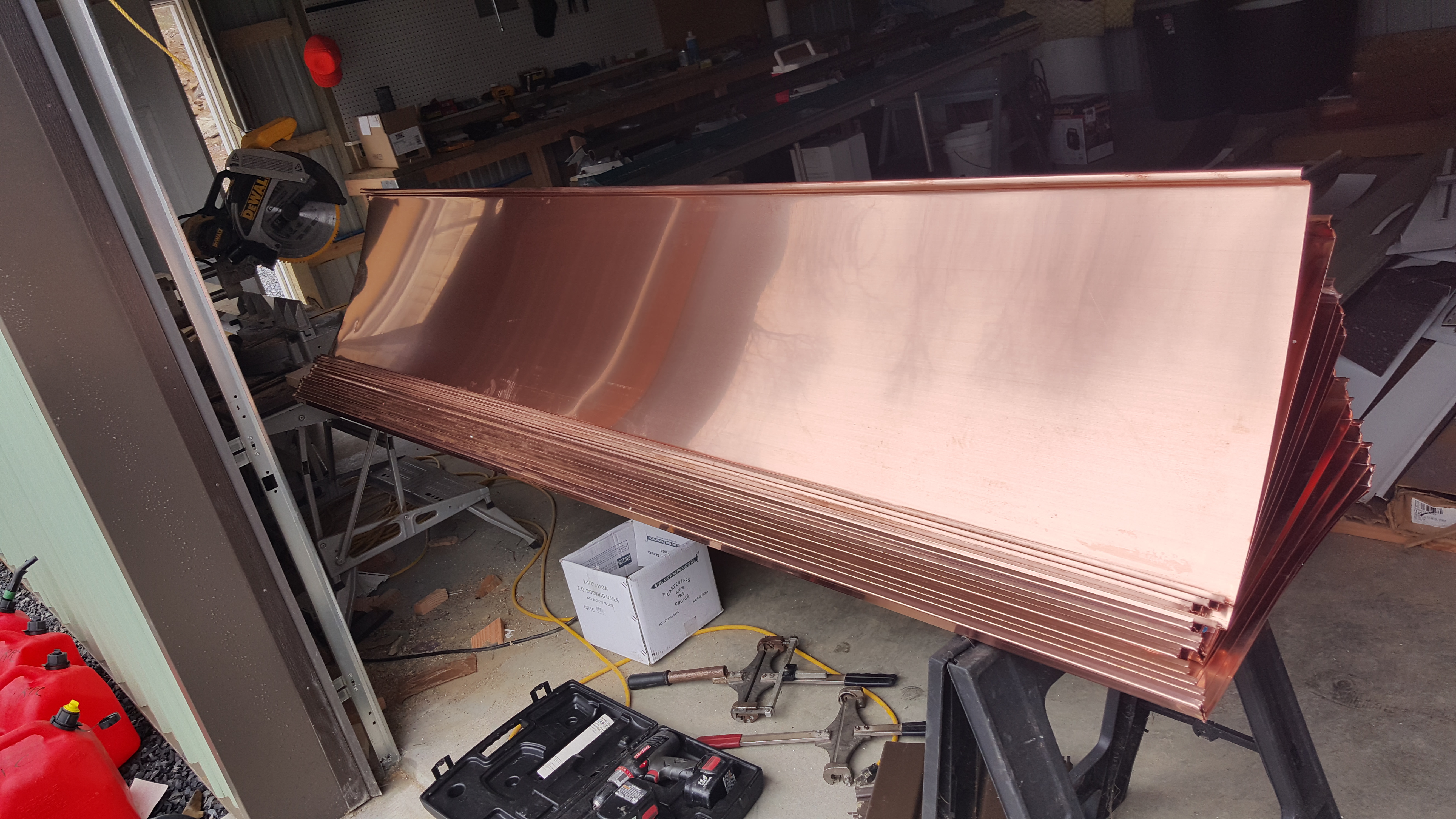


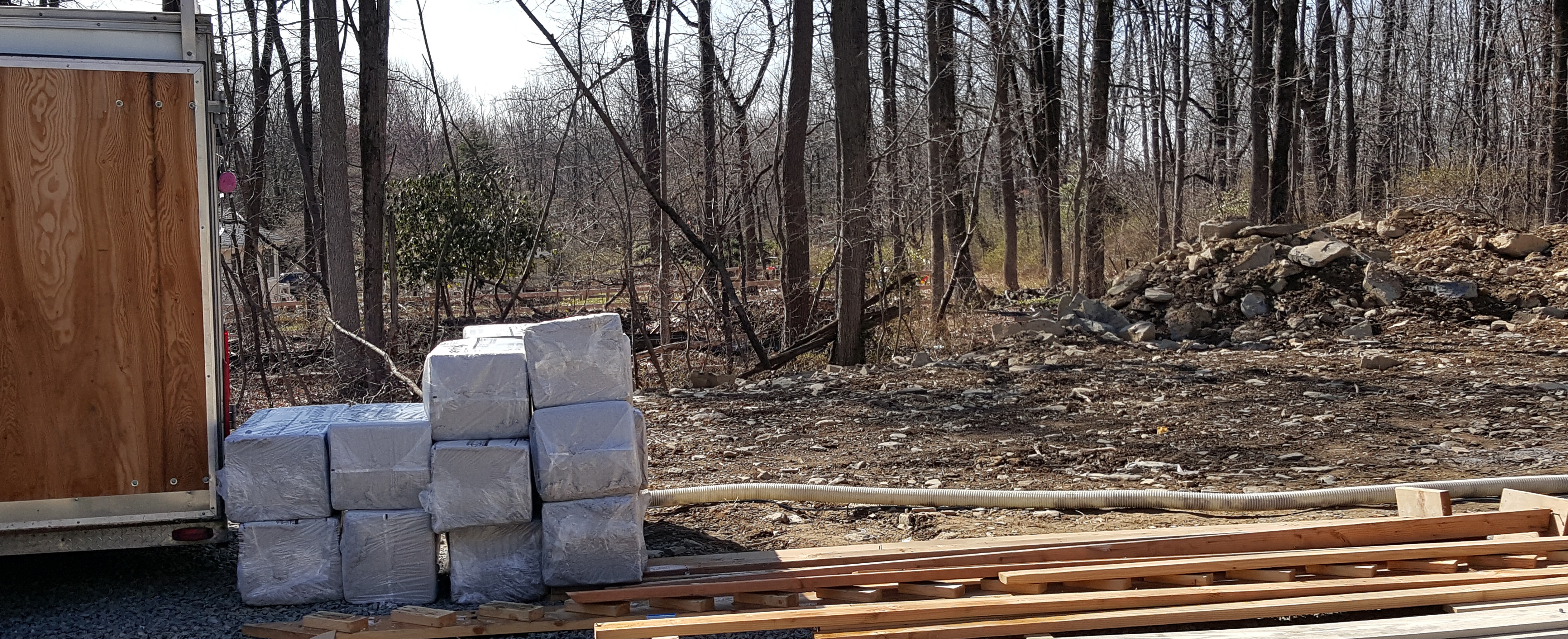
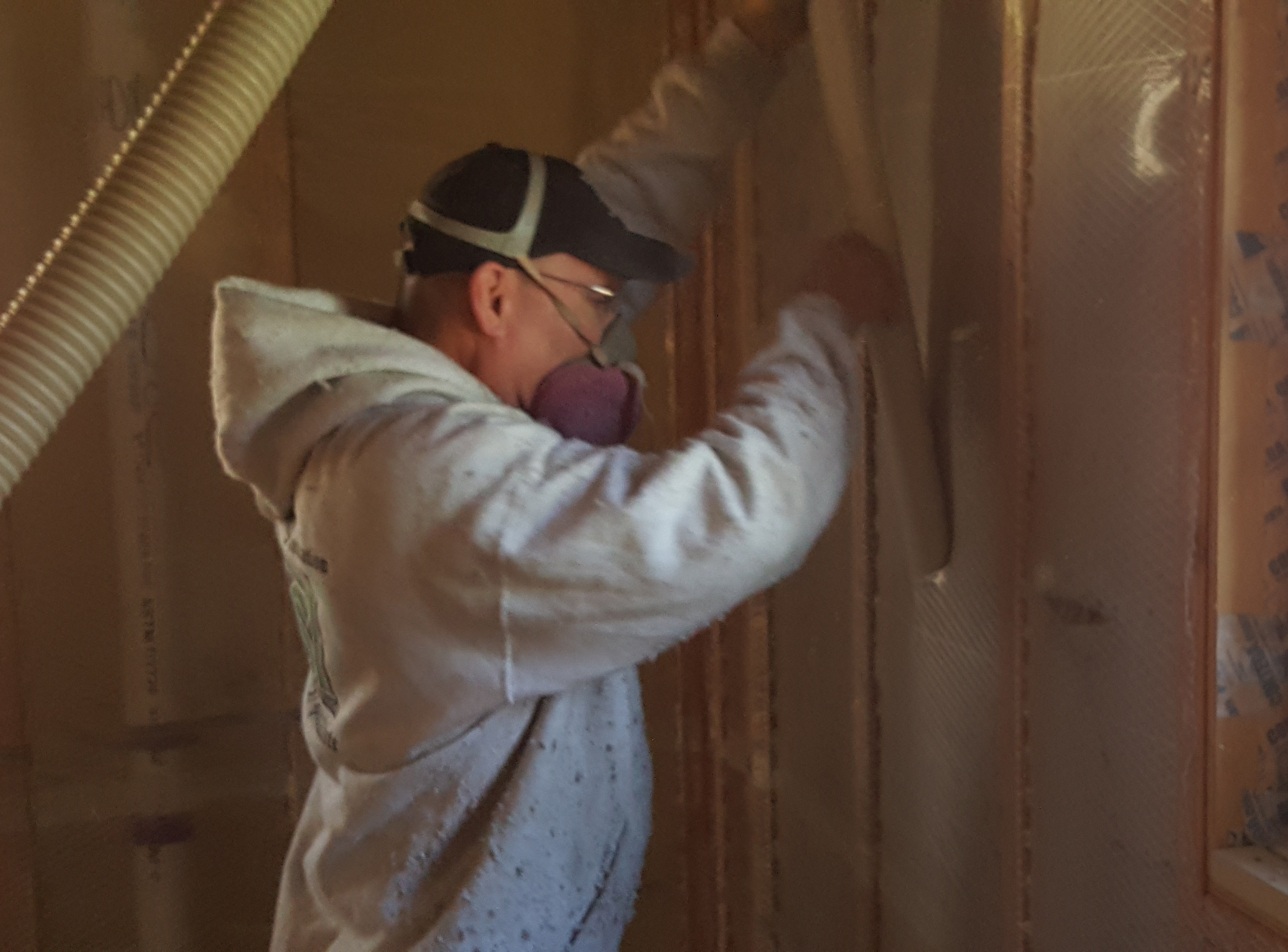
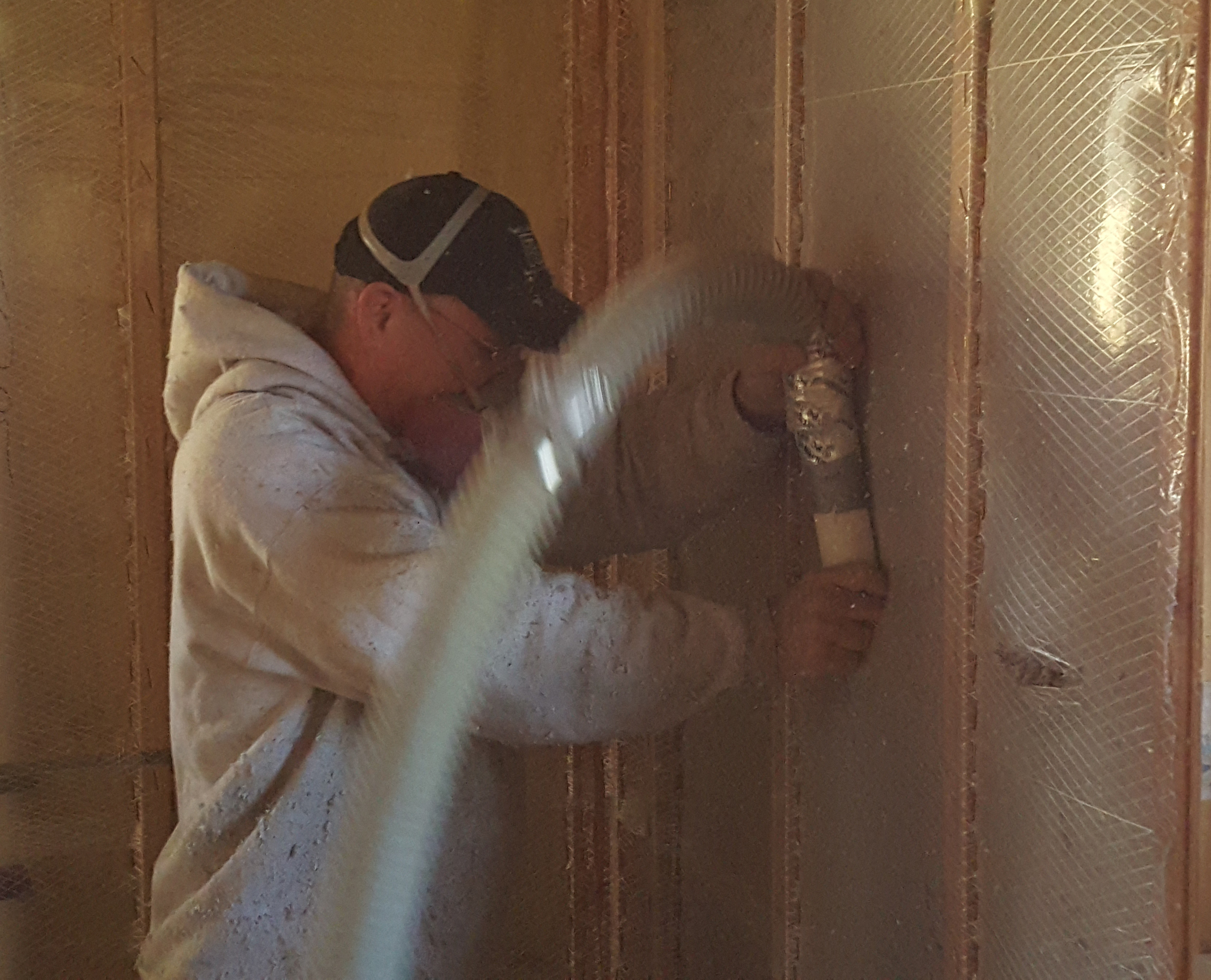
Just some photos of the cellulous going in. A photo is worth a thousand words. Here from a pile of the raw materials to Ken pumping it in., The next big step is getting the house inspected for the NJ Zero Energy Ready Program by Ben from ReVireo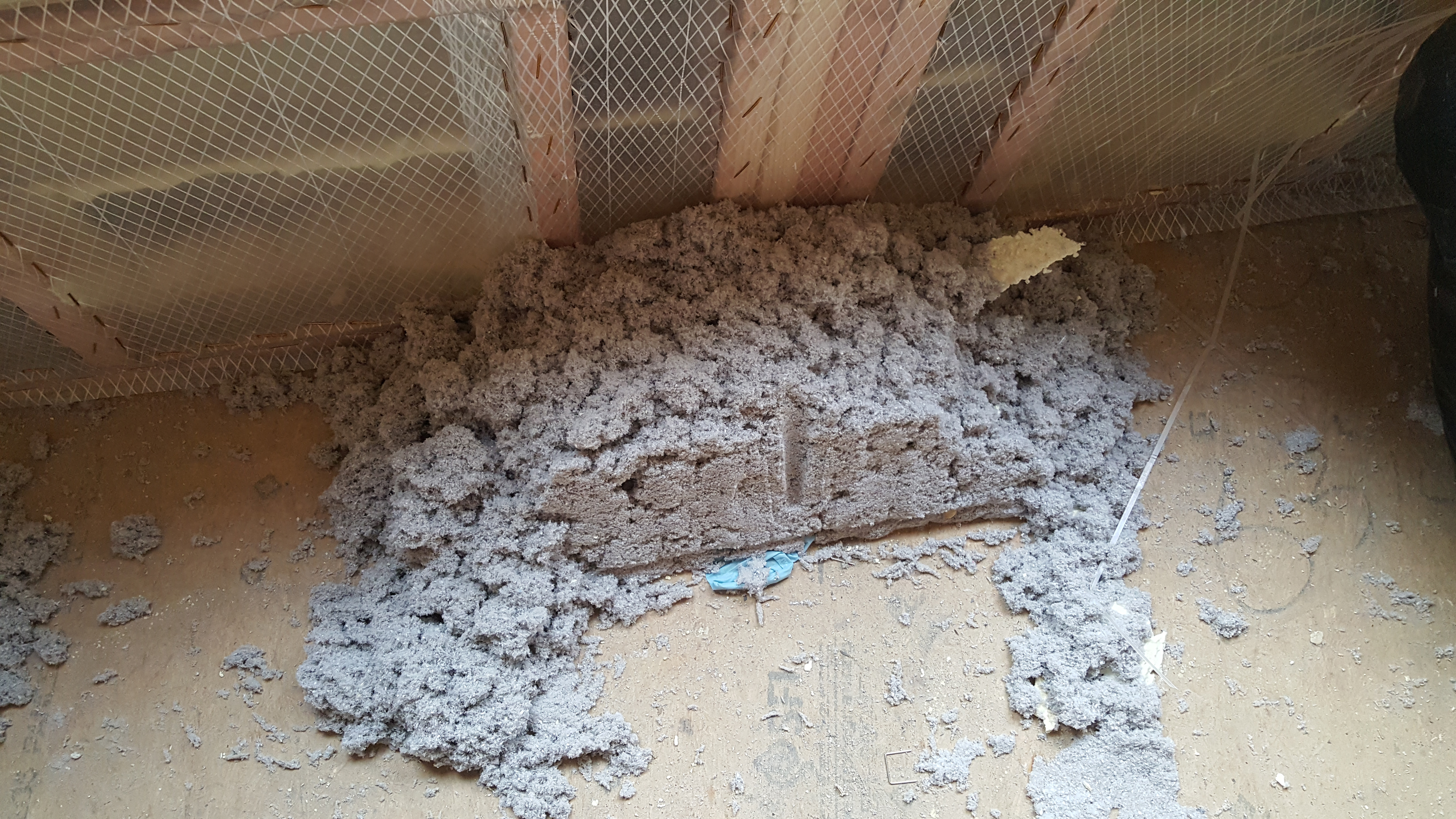
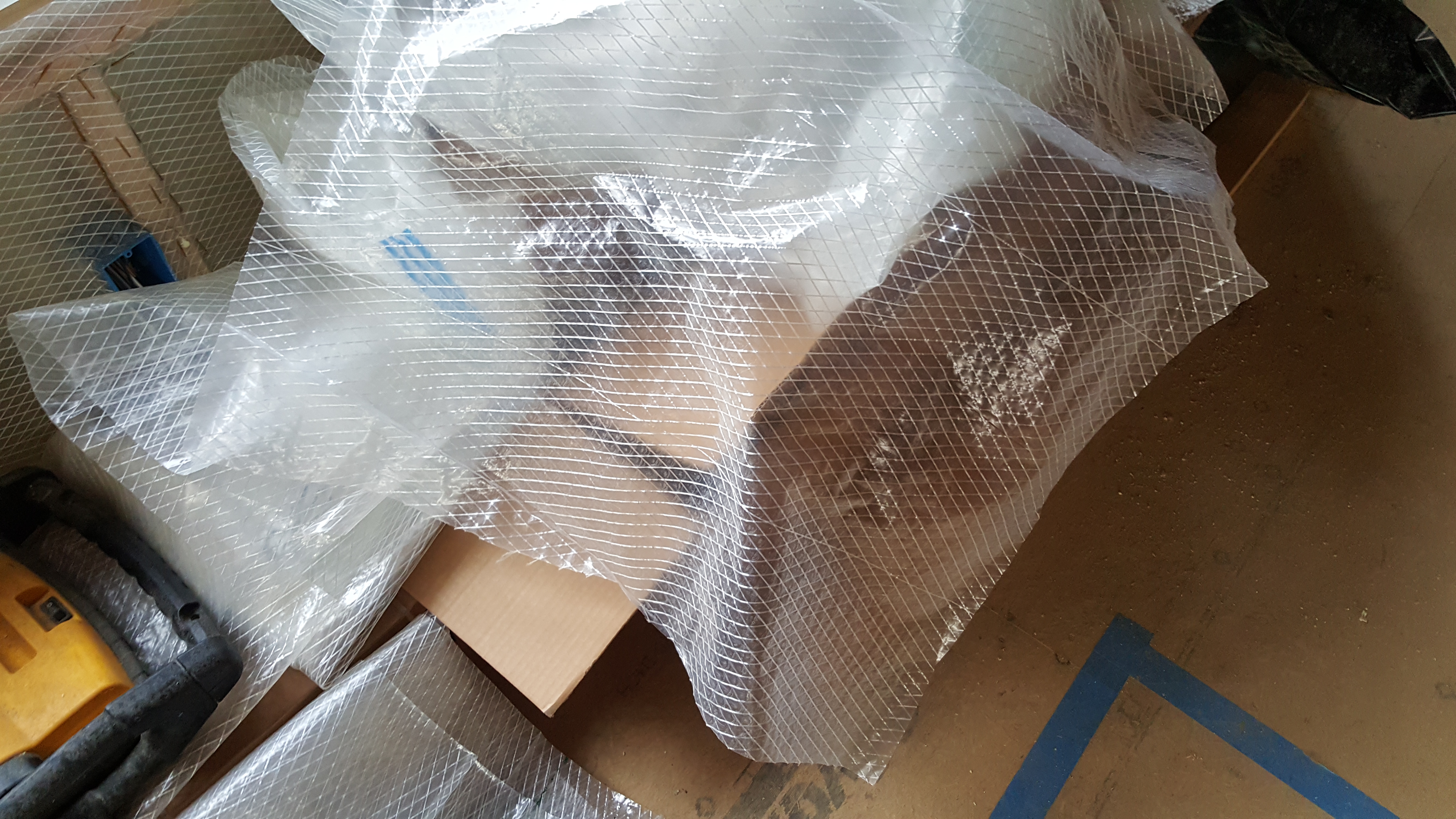
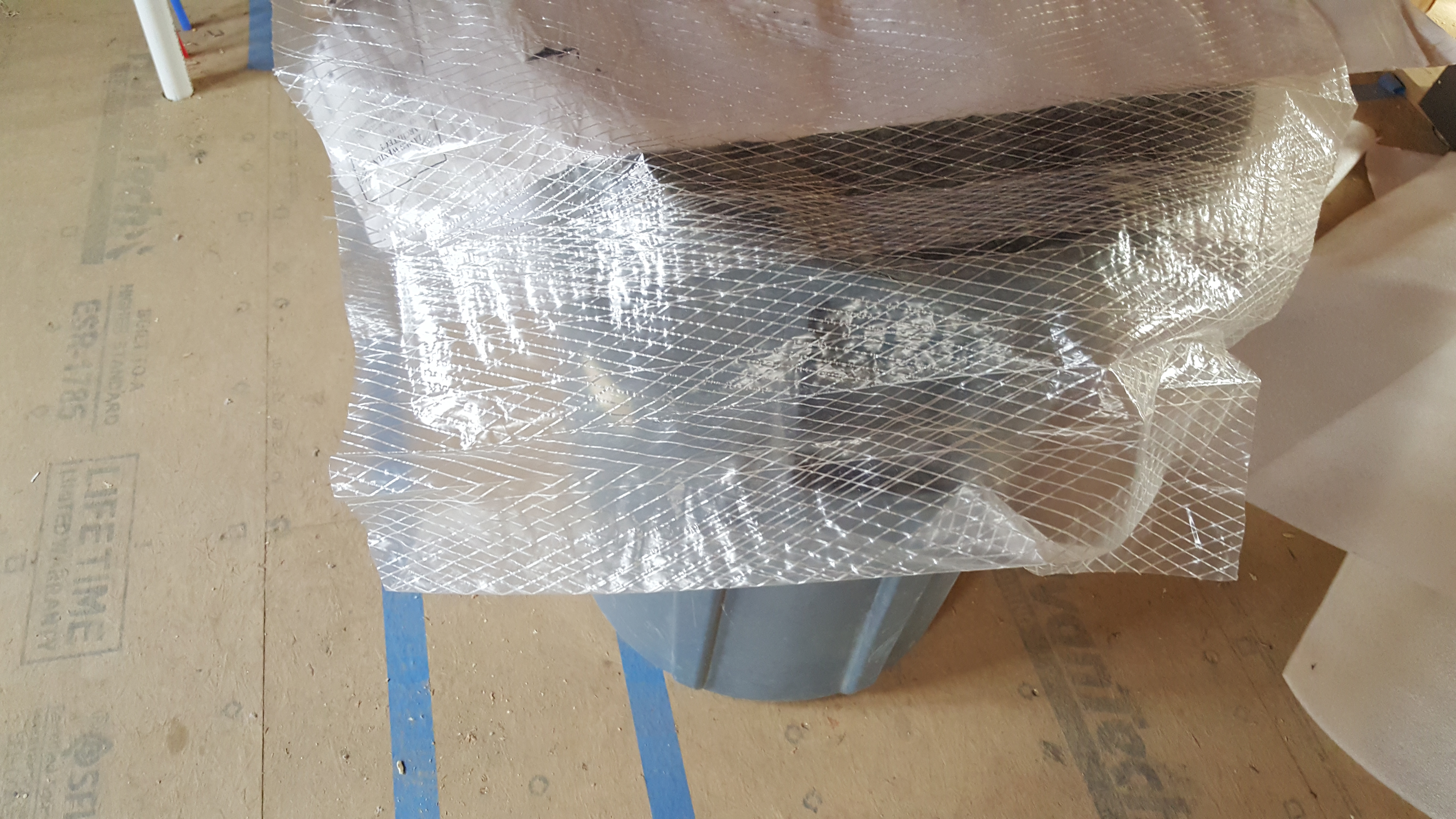
Build Tight – Ventilate Right
One of the most important thing in building a Energy Efficient house is building it Tight”. The tightness of a house in measured in Air Changes Per Hour. This measurement is done by depressurizing house to 50 Pascal’s. A Pascal is a measurement of vacuum, it used to me measured in inches of water in a column. It is accomplished by putting a big fan in the doorway and sucking the air out of the house until you get to 50 Pascal’s then measuring the CFM of the air leaving the house..
The 2015 building code calls for 3.0 ACH50 to give you a reference point. We test our house at 1.0 ACH50 last week after the closed cell foam was sprayed. I was hopping for less, maybe a 0.5 ACH50 or lower, but as I said in another posting my design with the roof angles and changes didn’t help.
I think we are at 99% sealed at 1.0 AC50, but I’d like to get to 100% I asked a few people for tips on finding the leaks. The best suggestion was to warm the house to apx. 20 degrees above the outside temp. displeasure the house to 5 Pascal’s and using a thermal imaging camera to see the cold air leaking in. Using the torpedo heater I was running up the temp waiting for Ken to come. I got the idea to use my laser thermometer see if I could see a temp different any where that may show up where the leak was. It worked. Where we suspected the leaks were I saw a 3 to 5 degree difference is wall temps with in a foot circle. In other words, the wall temp was 65 and moving just 6 to 12 inches it would drop to 60 to 62. The only place this happened is where we suspected a leak was, no where else. Ken had a plan to fix the leaks so I just told him to proceed.
We will do another blower door test when Ken completes the cellulous installation.
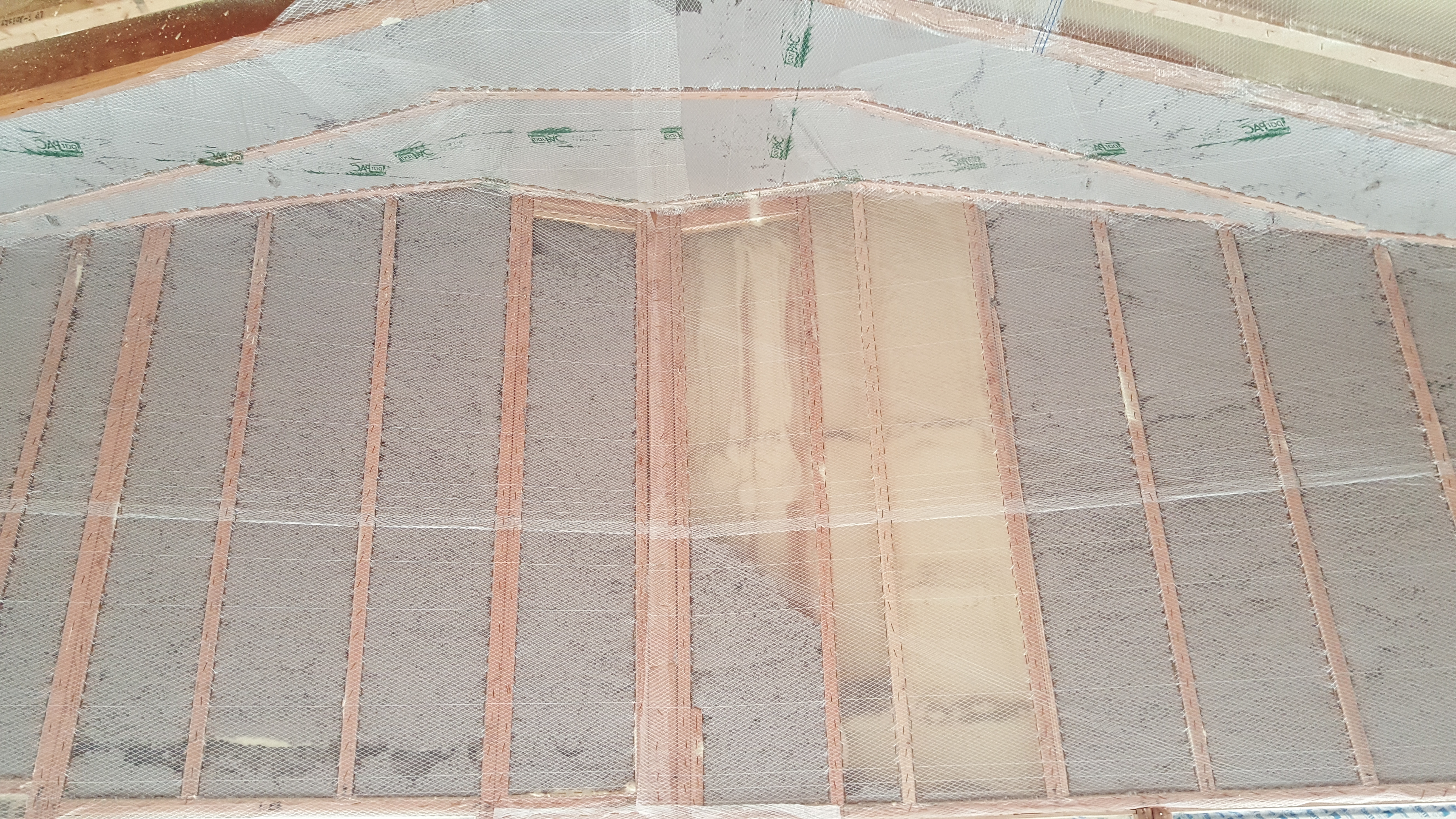
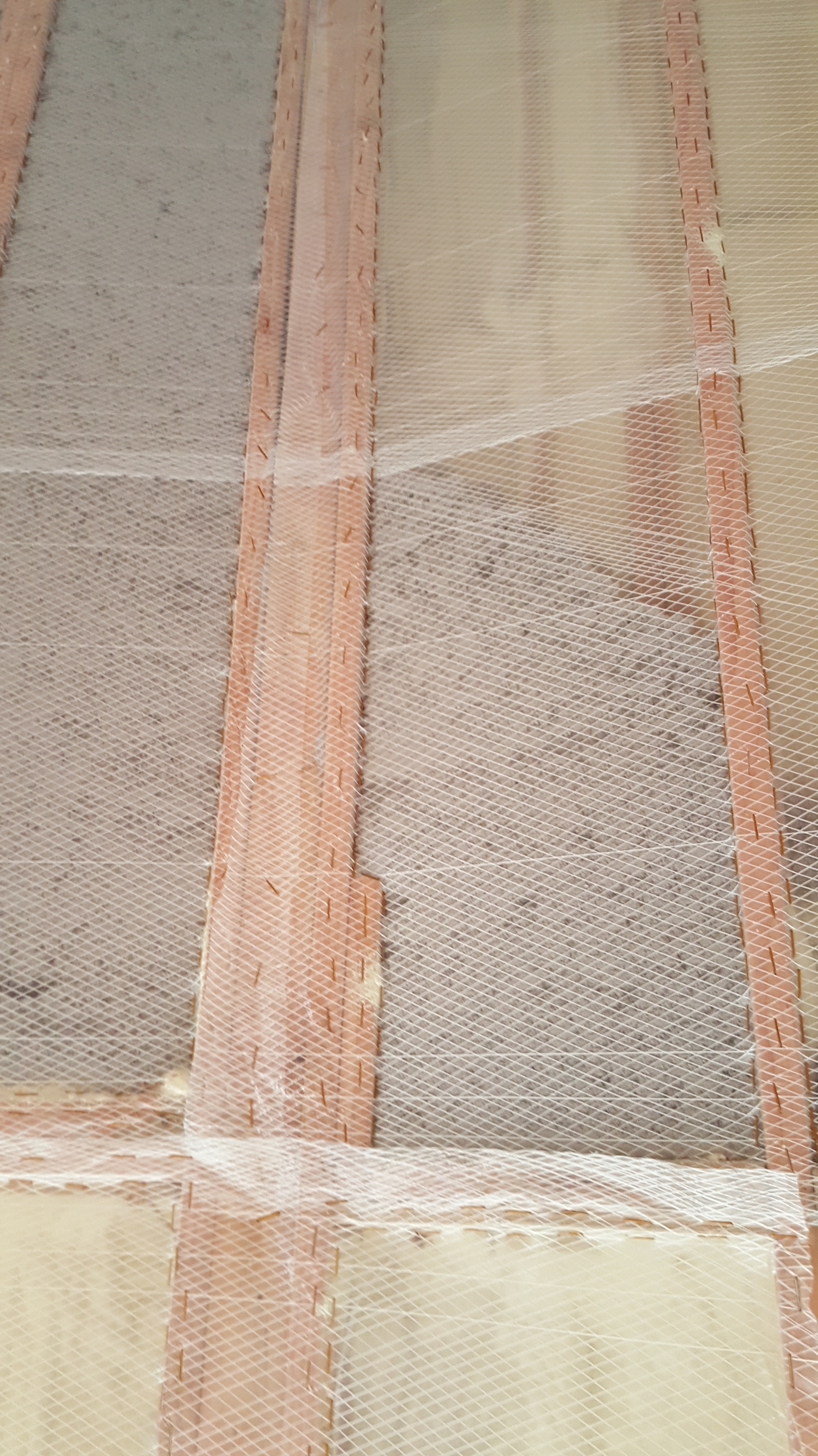
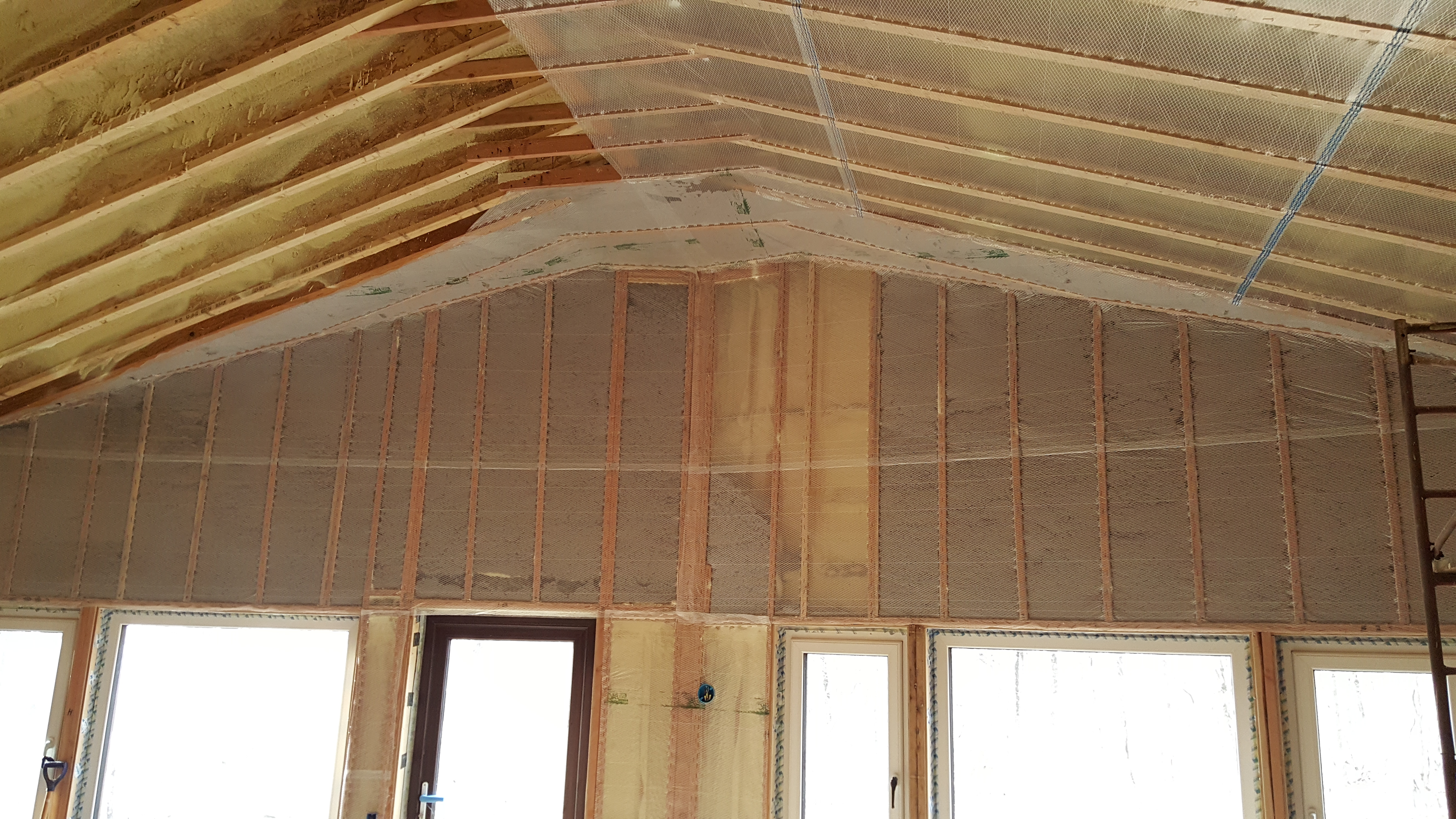
On Wednesday Ken Fields of FSI started the cellulous installation by first instating a Poly bagging material that holes the cellulous in tight. The poly is stapled drum tight.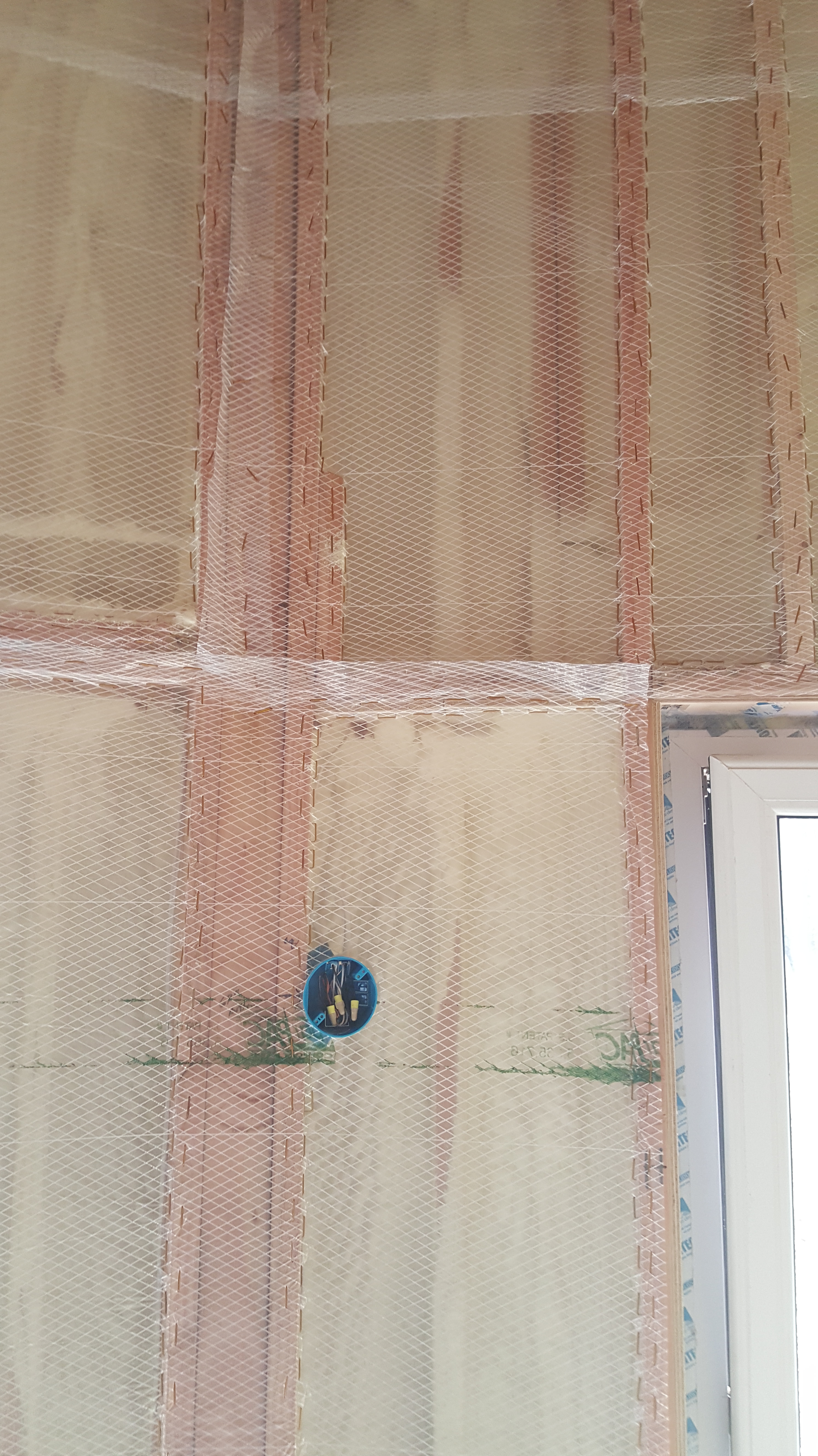
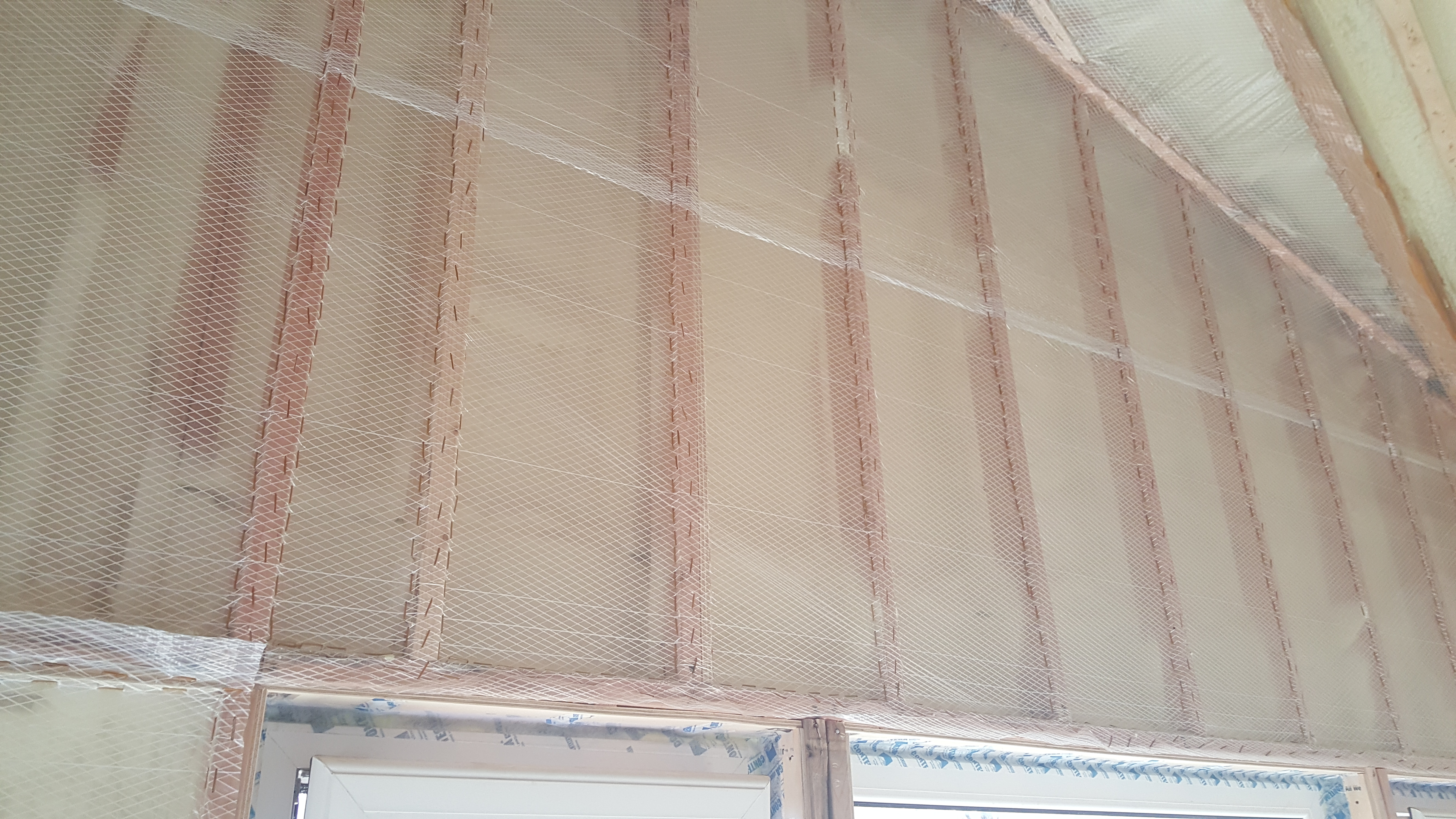
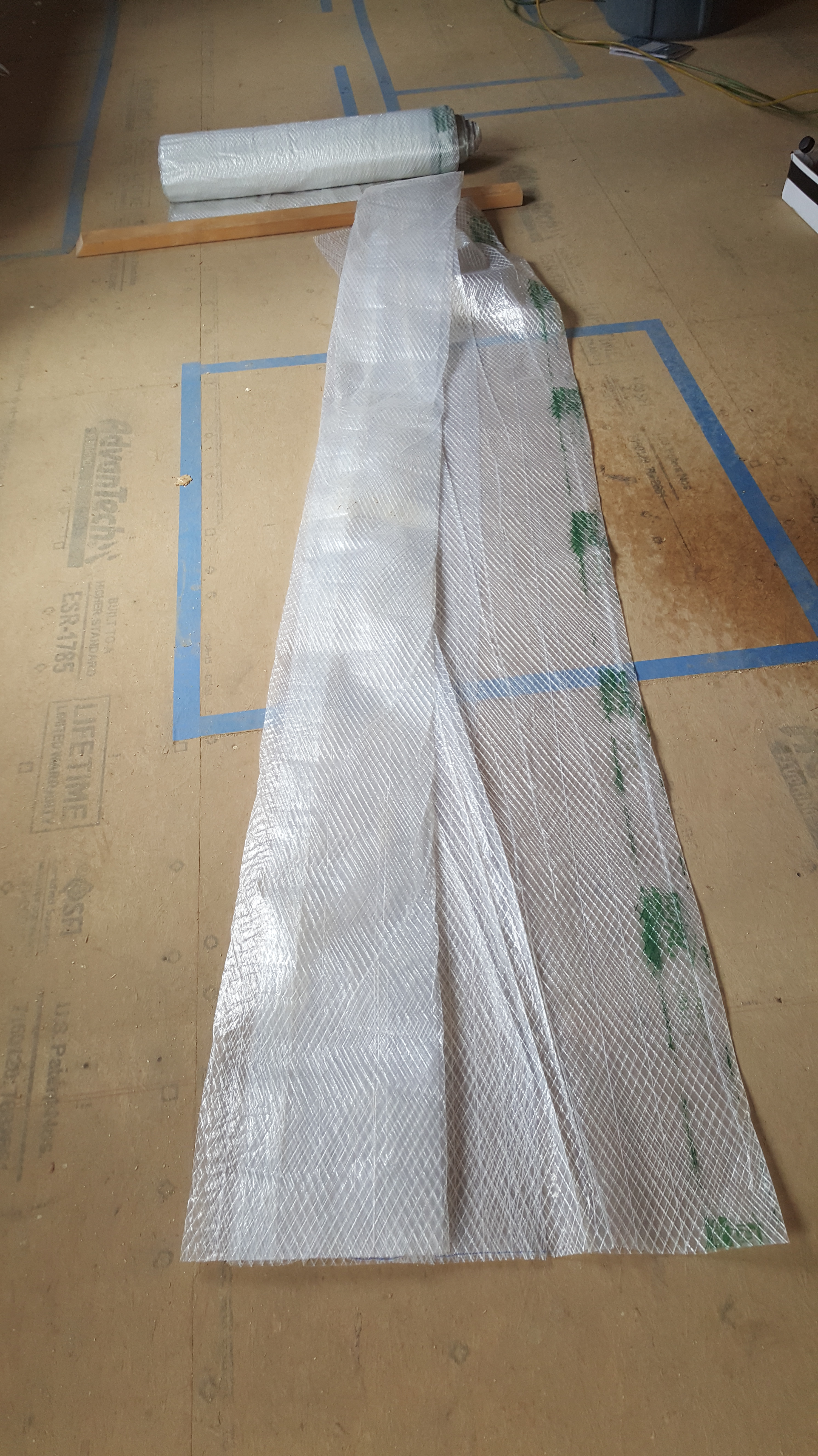
Then the cellulous is blown in.
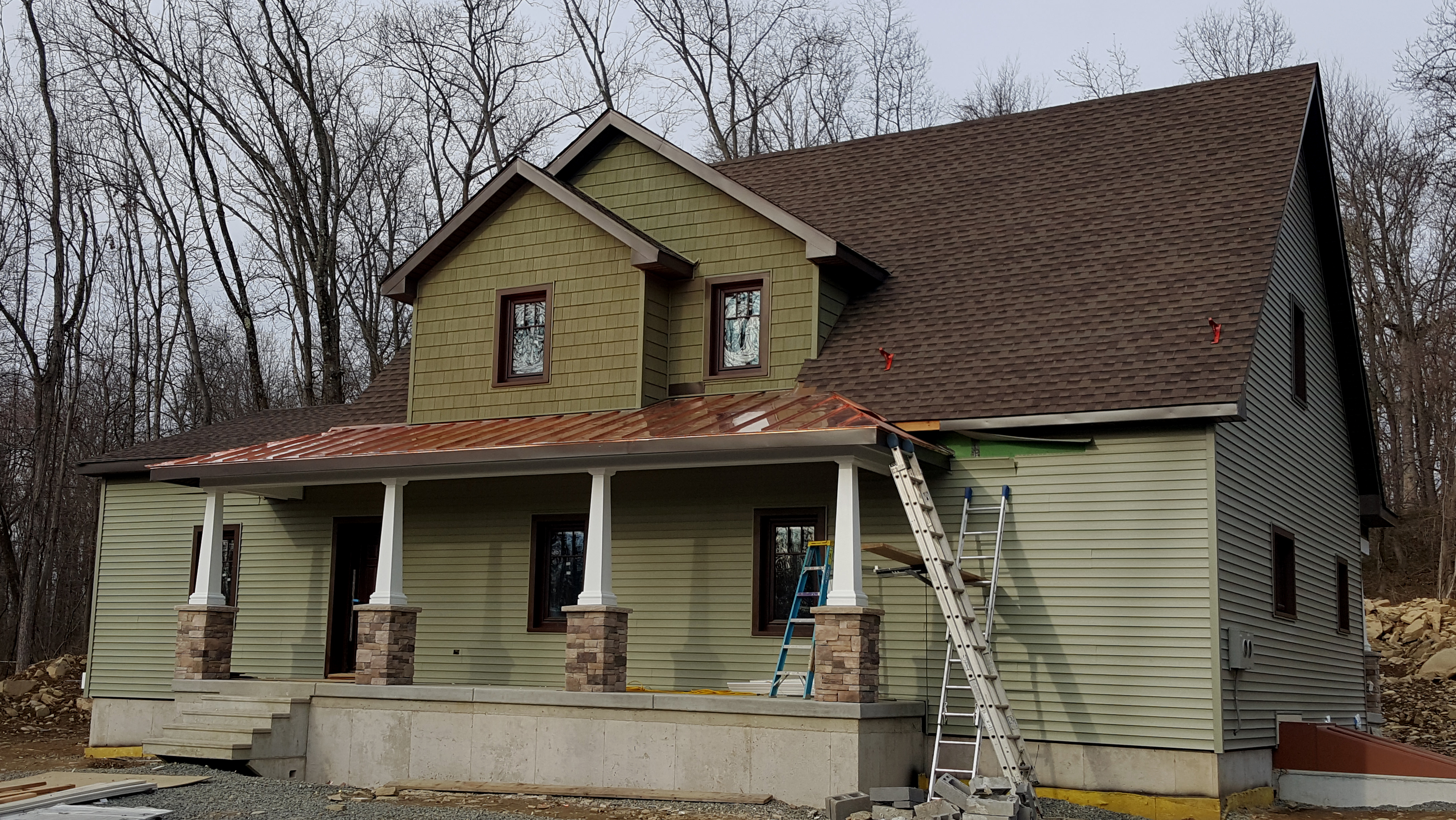
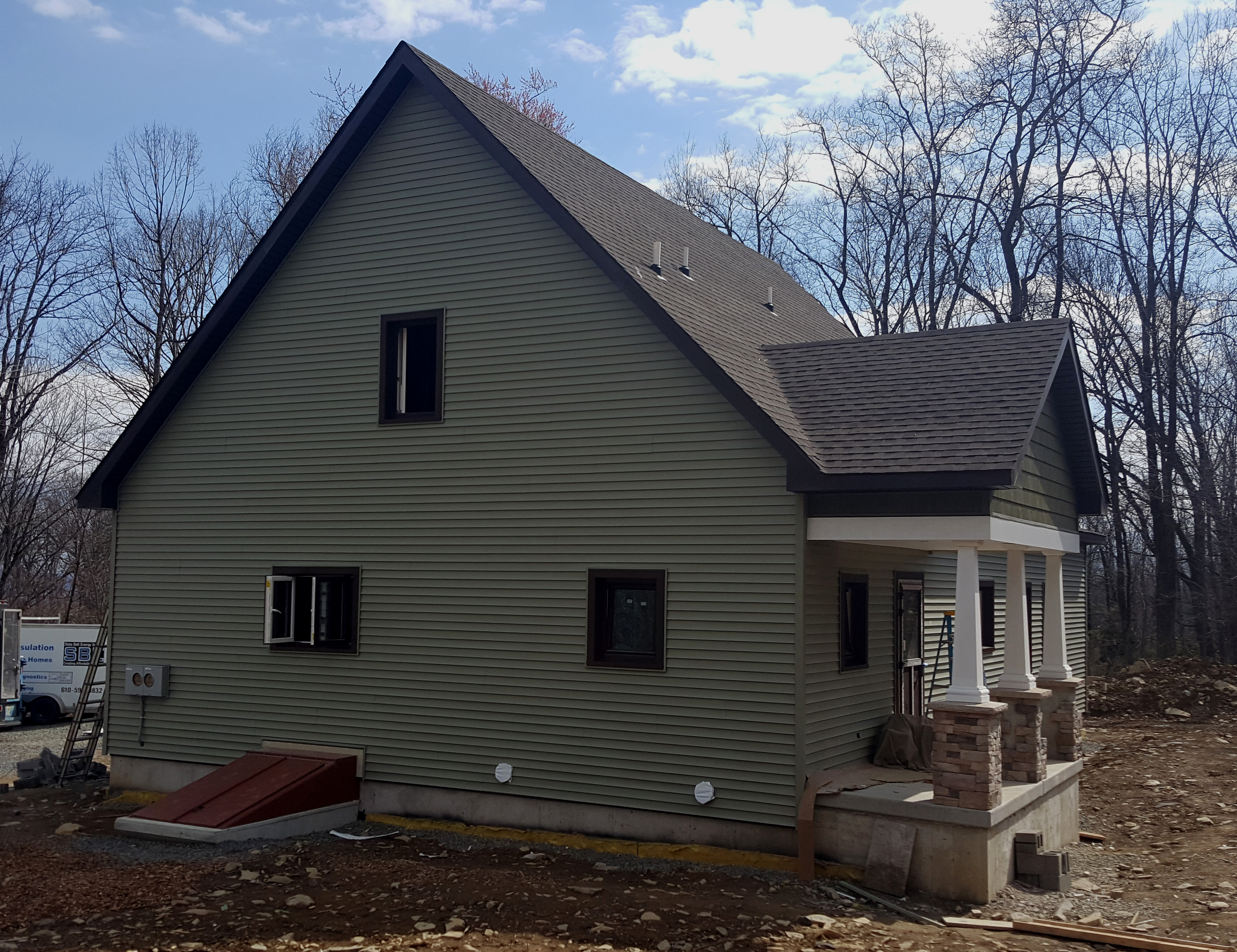
Just a couple photos of the outside painting done. Well almost done, I’ll get the bilco door painted this week. These photos show the brown trim, the white porch columns and beams. Plus the cooper porch is almost done.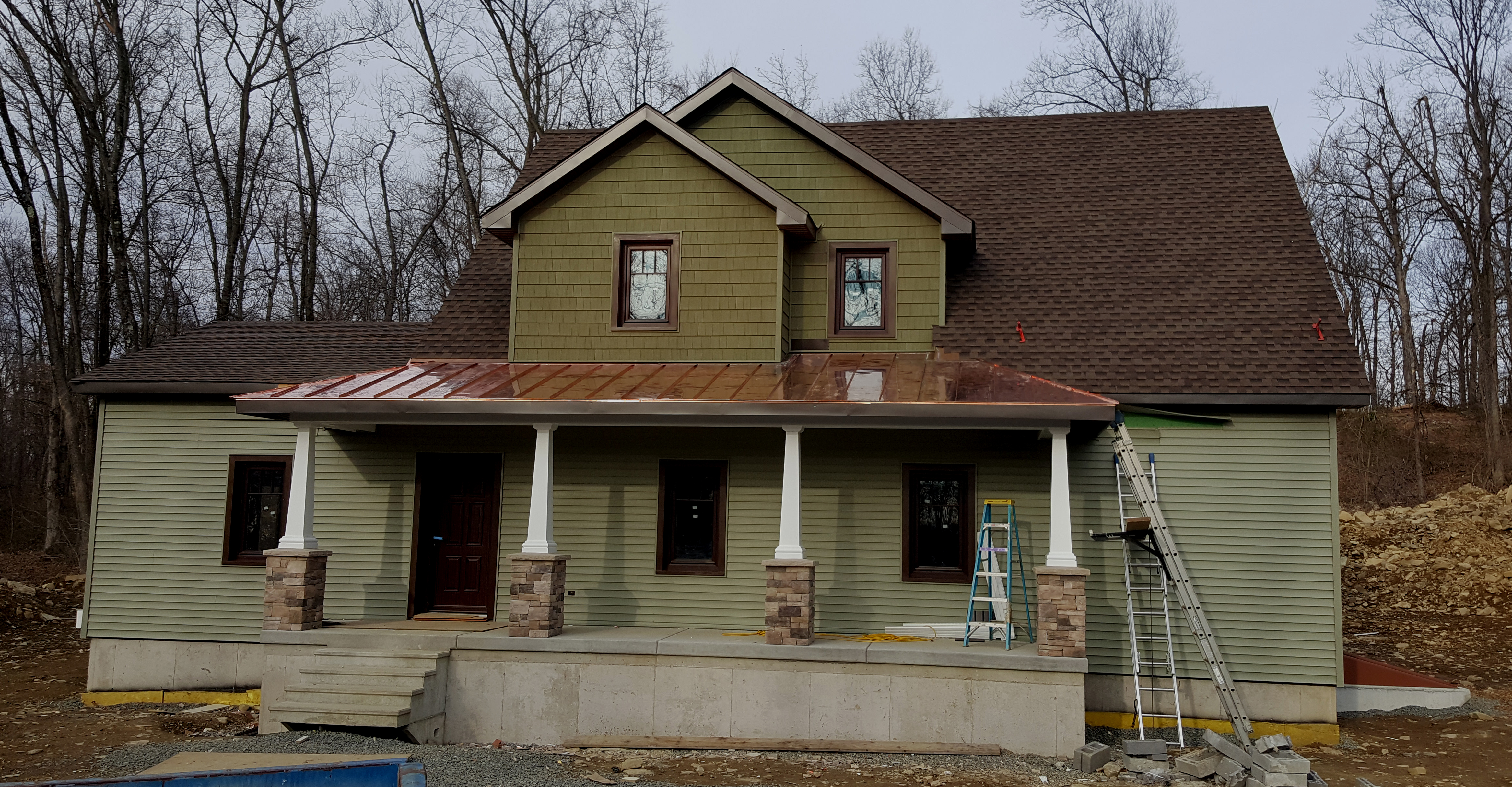
 Our Net-Zero House